
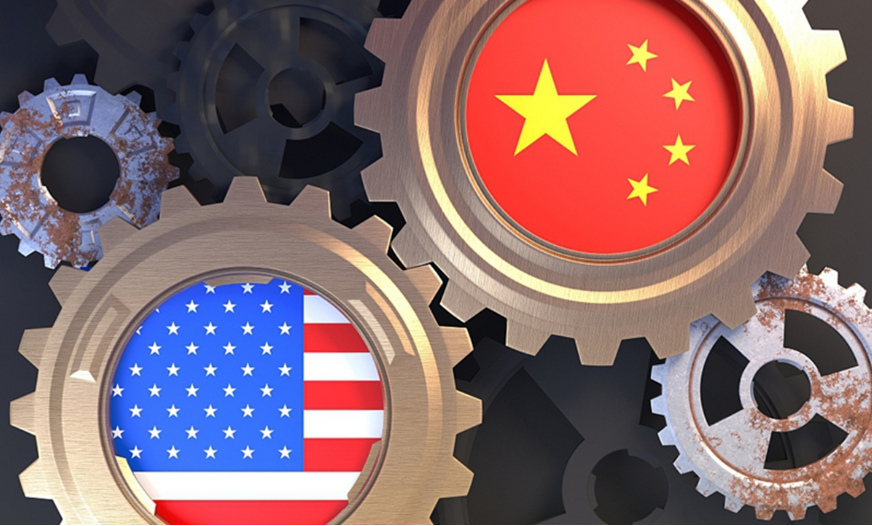

China-US relations have experienced a period of détente with high-level interactions since June. However, US actions on the Taiwan issue and mixed signals from Washington indicate ongoing policy uncertainty. Experts weigh in on these developments and the potential for improved relations.
Former Chief Election Commissioner OP Rawat discusses the possibility of ‘One Nation, One Election’ in India, emphasizing the need for constitutional amendments to facilitate the proposal.
Li Haidong, a professor at the China Foreign Affairs University, highlights the challenge of ensuring that China’s sincerity in improving relations with the US is not abused by politicians in Washington. He suggests that while China will manage its relations responsibly, uncertainties may increase, particularly with the US presidential election approaching.
The recent visit of US Commerce Secretary Gina Raimondo to China and her encouragement of US businesses to expand investments in China have raised questions about Washington’s China policy. Experts point out the chaotic and disorganized nature of US policy, with mixed signals coming from various branches of government.
Li Haidong notes that US politics is characterized by a lack of consensus and consistency within the Biden administration, congressional obstruction, and polarized partisanship, which hinder cooperation with China and damage bilateral relations.
Experts stress the need for the US to take concrete steps to improve relations with China and avoid being dominated by extreme China hawks. They believe that practical actions can benefit both countries and improve the diplomatic function of the Biden administration.
While challenges persist in China-US relations, there is hope that President Biden can contribute positively to bilateral ties through practical actions while maintaining his reputation and support.
The future of China-US relations will depend on how both countries navigate their differences and cooperate on shared interests.