

Chinese technology known as Juncao, which replaces wood with grass for cultivating edible fungi, has been making a positive impact in countries such as Fiji, Lesotho, and Rwanda. This innovative solution addresses the challenge of relying on tree-felling for edible fungi production. In Lesotho, Juncao is affectionately referred to as “the grass of prosperity” by local farmers. Over the past two decades, China has conducted 270 training sessions on Juncao technology, benefiting more than 10,000 individuals from 106 countries.
In addition to Juncao, various projects under the Belt and Road Initiative (BRI), including hybrid rice cultivation, infrastructure development like roads and bridges, and improved access to clean water through wells, have significantly improved the lives of people in participating countries. These endeavors align with the goal of fostering a happier and better life for local populations.
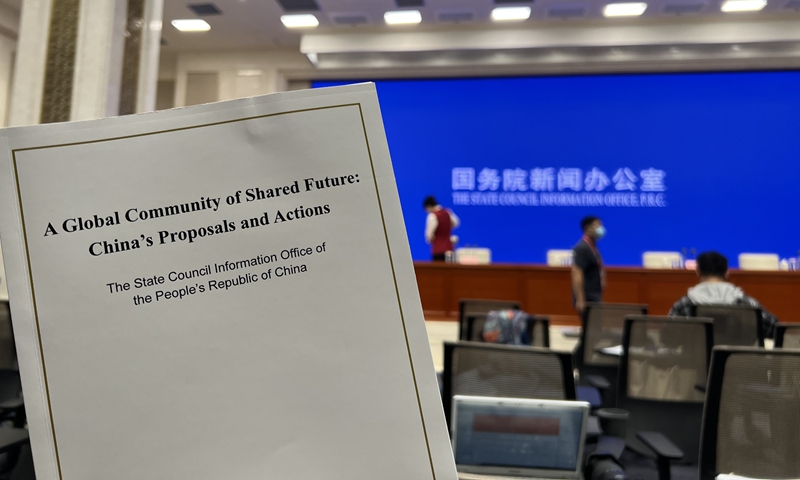
The BRI serves as a compelling example of building a global community of shared future, as highlighted in a recently released white paper titled “A Global Community of Shared Future: China’s Proposals and Actions.” This vision, proposed by Chinese President Xi Jinping in 2013, is celebrating its 10th anniversary this year and has garnered international support.
Chinese Foreign Minister Wang Yi emphasized that the vision reflects the shared aspirations of many countries and people worldwide for peace, justice, progress, and the creation of a better world.
China’s Commitment in Action
Over the past decade, China has pursued cooperation under the BRI with a focus on being open, environmentally friendly, sustainable, and of high quality. The World Bank’s Belt and Road Economics report predicts a 4.1 percent increase in intra-BRI trade and annual global revenues of $1.6 trillion by 2030 once the BRI is fully implemented.
The white paper underscores that the BRI is primarily an economic cooperation initiative rather than a geopolitical or military alliance. It is characterized by openness, inclusivity, and non-discrimination, welcoming participation from all interested parties.
China, as the world’s largest developing country and a member of the Global South, has made extensive efforts to support other developing nations and enhance their development capacity. The Global Development Initiative has overseen more than 130 projects related to poverty reduction, food security, and climate change in nearly 60 countries, benefiting over 30 million individuals.
China has also taken action through the Global Security Initiative, advocating for dialogue over confrontation and win-win outcomes over a zero-sum game. Additionally, it promotes respect for diverse civilizations through the Global Civilization Initiative, which includes programs like the Cultural Silk Road and the establishment of international theater, museum, art festival, library, and art museum alliances.
Towards a Global Community of Shared Future
Over the past decade, China has made significant strides in building a global community of shared future. The vision has received international recognition and has been incorporated into United Nations Assembly Resolutions and various multilateral mechanisms.
Chinese Foreign Minister Wang Yi emphasized that in the face of global challenges, such as the current historical crossroads, confrontational approaches and zero-sum games hold no promise. Humanity is united in a shared global village, and global cooperation is imperative. The vision of a global community of shared future transcends exclusive political blocs, the notion of might makes right, and the definition of “universal values” by a limited number of Western countries. It aligns with the spirit of our times, the call for global cooperation, and the pursuit of a more just and equitable international order.