

International Community Extends Support as Memories of Fukushima Nuclear Disaster Linger
Central Japan, January 3, 2024 — The recent 7.6-magnitude earthquake that struck the Noto Peninsula and surrounding areas in central Japan on New Year’s Day has tragically claimed the lives of 57 individuals as of Tuesday. As the global community rallies to offer prayers and support to the survivors, renewed apprehensions about the safety of nuclear power plants in Japan’s coastal regions have emerged, echoing the haunting memories of the 2011 Fukushima nuclear accident.
Concerns Over Nuclear Safety Intensify
Analysts are urging the Japanese government and international organizations, notably the International Atomic Energy Agency (IAEA), to promptly disclose pertinent information and enhance monitoring of nuclear power plant operations along Japan’s coast. The earthquake, causing extensive structural damage and fires in Wajima, Ishikawa Prefecture, has heightened anxieties about the potential impact on nuclear facilities.
Rescue and Relief Operations Underway
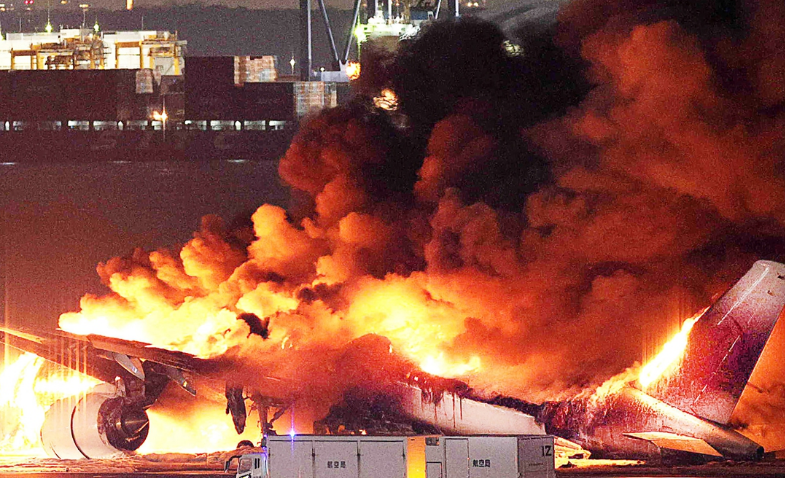
Japanese Prime Minister Fumio Kishida announced on Tuesday that the central government is coordinating relief shipments via ships, with around 1,000 Self-Defense Forces personnel dispatched for rescue and relief operations in the worst-hit areas. Additionally, a Japan Airlines flight caught fire at Tokyo’s Haneda airport after colliding with a Japan Coast Guard aircraft. All passengers and crew escaped, but most coast guard plane crew members reportedly lost their lives.
International Response and Chinese Support
Chinese Foreign Ministry spokesperson Wang Wenbin expressed condolences and sympathies to the affected families, assuring that the Chinese Embassy and Consulates-General in Japan are actively responding to the crisis. As the earthquake caused injuries and structural damage in several prefectures, neighboring countries, including South Korea and Russia, issued tsunami warnings, although the overall impact on them appears limited.
Seismic Background and Preparedness
Experts note that Japan’s vulnerability to earthquakes, given its location on multiple tectonic plates and active faults, makes seismic events a persistent threat. Despite being one of the most severe earthquakes in recent years, Japan’s well-prepared society is likely to mitigate significant impacts on its political and social stability, provided there are no major aftershocks.
Tsunami Warnings and Nuclear Plant Safety
The Japan Meteorological Agency has lifted tsunami warnings for the western coast, but concerns persist among residents about potential aftershocks and the safety of nuclear power plants near Ishikawa Prefecture. The Nuclear Regulation Authority reported that reactors at Kansai Electric Power’s Ohi and Takahama nuclear stations in Fukui Prefecture seem unaffected, but international scrutiny remains high.
Fukushima’s Lingering Shadow
Given the previous Fukushima disaster, public apprehension about nuclear plant safety is understandable. Analysts emphasize the importance of proactive measures, including evaluating the resilience of old nuclear plants to larger seismic events. Transparency in information dissemination is crucial, with calls for third-party organizations to conduct on-site surveys and international agencies, particularly the IAEA, to strengthen monitoring efforts.
IAEA’s Assurance and Continued Monitoring
In response to concerns, the IAEA stated that it is in contact with the Japan Nuclear Regulation Authority, confirming no abnormalities in nuclear power plants within the affected area. The agency pledged to continue monitoring the situation closely, underlining the importance of ongoing collaboration to ensure the security of Japan’s nuclear facilities.