
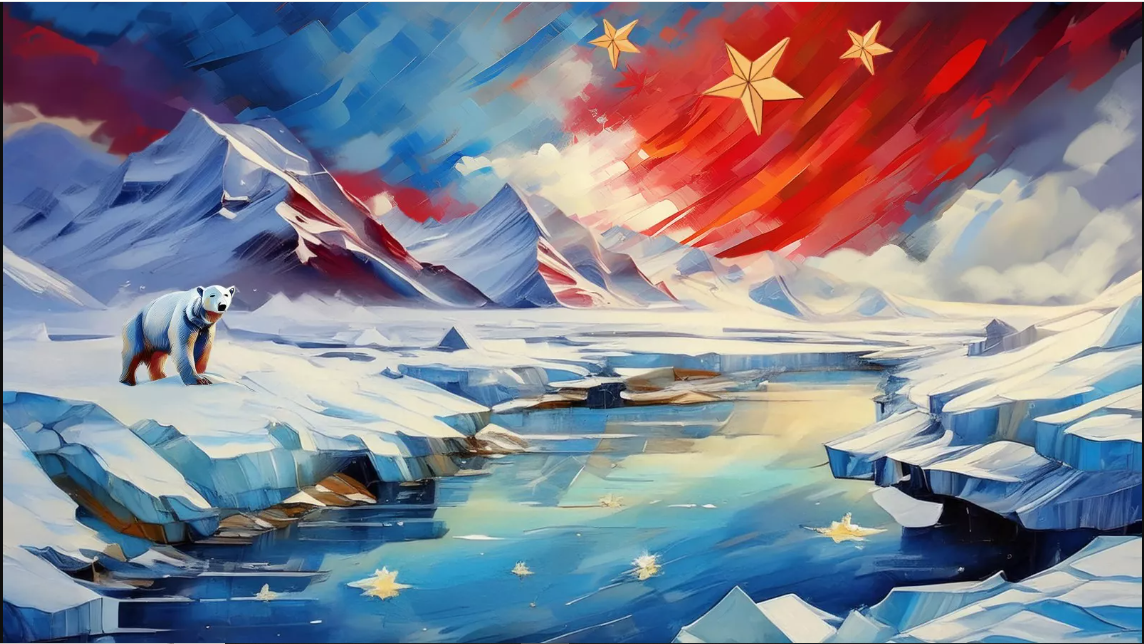

In a significant shift in its Arctic policy, the United States has scaled back its funding for Arctic scientific research, potentially paving the way for increased involvement by China in the region. Experts warn that this move could have long-term implications for both global scientific progress and geopolitical dynamics in one of the world’s most strategically important areas.
The decision, announced by the White House earlier this week, comes amid growing concerns over the direction of U.S. investments in Arctic exploration and climate science. Federal funding for Arctic research programs will be reduced, a decision attributed to shifting priorities in the national budget and a desire to focus more heavily on other geopolitical issues. This reduction has raised alarm bells among scientists, environmental advocates, and geopolitical analysts, who argue that the U.S. risked ceding influence in the region to other powers, particularly China.
“Cutting back on U.S. investments in Arctic research could have wide-reaching consequences, not only for the scientific community but also for our strategic positioning in the region,” said Dr. Emily Thompson, a senior Arctic scientist at the National Oceanic and Atmospheric Administration (NOAA). “China has been expanding its interests in the Arctic for years, and this withdrawal may create an opening for further Chinese dominance in Arctic science, resources, and policy influence.”
China has been increasingly active in the Arctic in recent years, with the country announcing plans to deepen its engagement in the region through scientific research initiatives, resource exploration, and maritime access. The Chinese government has also been vocal about its interest in the Arctic’s natural resources, including oil, gas, and minerals, which have become more accessible due to melting ice and changing climate patterns. While China is not an Arctic state, its growing involvement in the region has raised concerns among other Arctic nations, including the United States, Canada, and Russia.
Experts warn that China’s increasing presence in Arctic science, coupled with reduced U.S. involvement, could shift the balance of power in the region, especially in terms of research on climate change and the development of new shipping routes. China has already expanded its research stations and established several partnerships with Arctic nations, and this latest U.S. policy shift may allow China to play an even more prominent role in shaping Arctic governance and policy.
The U.S. decision comes as part of broader discussions on climate change and international collaboration. While the U.S. maintains a robust military and economic presence in the Arctic, experts argue that the region’s scientific research component is equally crucial in understanding and mitigating the effects of climate change. The reduced funding is expected to affect vital programs that monitor Arctic ecosystems, sea ice, and environmental shifts—areas in which China has shown growing interest and investment.
In the wake of the U.S. reduction, other Arctic nations are also recalibrating their strategies. Some are looking to strengthen ties with China in order to leverage scientific and technological advancements, while others are seeking to reinforce their own research capabilities to maintain a competitive edge in the region.
The shifting dynamics in the Arctic highlight the increasing intersection of science, geopolitics, and global power struggles, with the U.S. and China at the center of this growing competition. With climate change rapidly reshaping the region, the race to control Arctic research and resources is expected to intensify in the coming years.
source: highnorthnews.com