
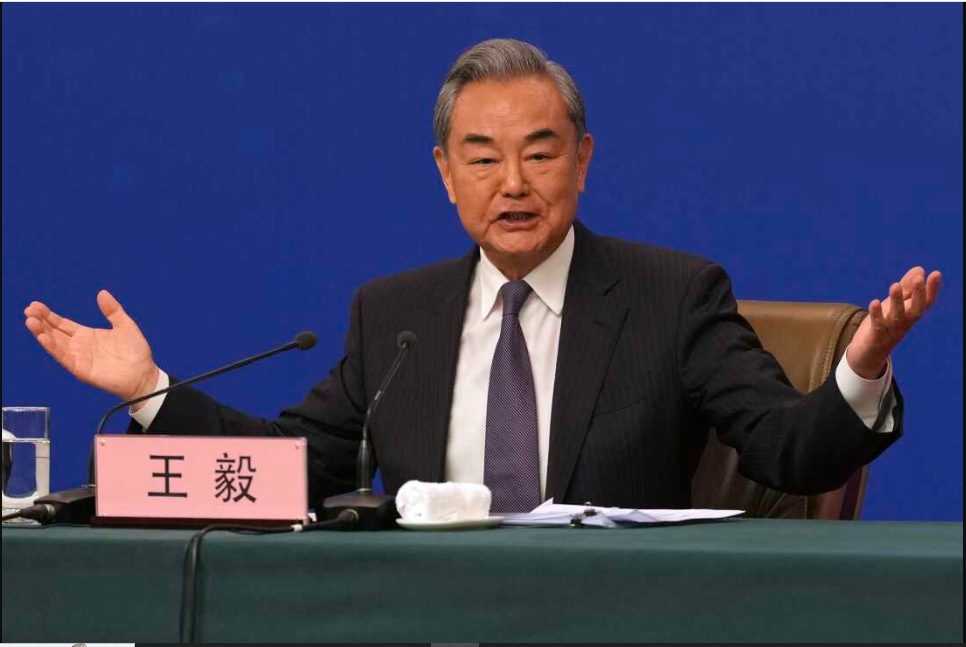

China has sharply criticized the United States for maintaining tariffs on Chinese imports, labeling the move as “two-faced” and accusing Washington of undermining global trade principles. The remarks, made by Chinese officials, come as tensions between the two economic giants remain high over trade practices, with both sides continuing to grapple with the consequences of a long-standing tariff war.
In a statement released earlier this week, the Chinese Ministry of Commerce expressed its disappointment in the U.S. administration’s continued imposition of tariffs despite ongoing negotiations. The Chinese government claimed that the tariffs are a violation of global trade rules and a form of economic protectionism that disproportionately targets Chinese manufacturers and businesses.
“These tariffs are nothing but two-faced acts from the U.S.,” said Zhao Lijian, a spokesperson for the Ministry of Foreign Affairs. “On the one hand, they claim to support free trade, while on the other, they persist in using these punitive tariffs to undermine China’s economic growth and hurt the global supply chain.”
The ongoing tariff dispute has been a central issue in U.S.-China relations for several years, with both countries engaging in tit-for-tat tariff impositions that have impacted various industries, from technology to agriculture. While there have been attempts at reconciliation, including trade agreements signed under previous U.S. administrations, critics argue that the tariffs have failed to produce the intended results, with both economies experiencing setbacks.
Beijing has repeatedly called for the removal of tariffs, arguing that they only serve to increase costs for consumers in both the U.S. and China. In response, U.S. officials contend that tariffs are necessary to protect American industries and address issues related to intellectual property theft, market access, and unfair trade practices, which they claim have been long-standing concerns with China.
The Biden administration, while engaging in ongoing discussions with China, has been slow to remove or significantly reduce the tariffs, with some lawmakers advocating for a more cautious approach until China fully meets the terms of trade agreements.
As China continues to voice its frustration over U.S. tariffs, the global trade landscape remains in flux. Experts warn that the prolonged tariff dispute could have far-reaching consequences not only for U.S.-China relations but for international markets, as countries seek to navigate the shifting dynamics between the two superpowers.
While diplomatic talks continue, many are questioning the long-term impact of these tariffs on global supply chains, innovation, and consumer prices, with both sides standing firm on their positions. As the trade tensions persist, the future of U.S.-China relations remains uncertain, with significant economic consequences for both nations and the world at large.
source: upi.com