
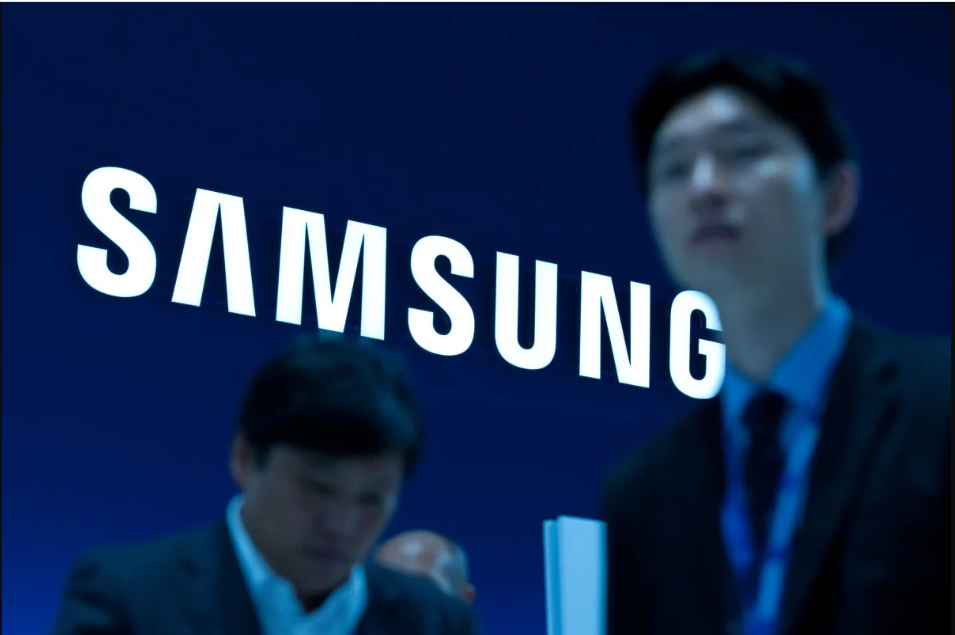

In a growing geopolitical dispute within the global semiconductor industry, Samsung Electronics has strongly denied reports that it has suspended its foundry services for Chinese clients. The South Korean tech giant’s statement comes amidst increasing pressure from the United States on its allies to limit business ties with Chinese firms.
Over the past few weeks, media outlets have circulated unverified claims suggesting that Samsung, the world’s second-largest semiconductor foundry, was halting its production of chips for Chinese customers in response to US-led sanctions. These sanctions, targeting Chinese tech giants such as Huawei and SMIC, are part of Washington’s broader strategy to curb China’s technological advancements, particularly in semiconductors and high-end electronics.
Samsung, however, has swiftly dismissed these rumors, asserting that it continues to serve its Chinese clientele as usual. “We remain committed to maintaining a transparent and professional relationship with all of our clients, including those in China. Any reports suggesting a suspension of services are completely unfounded,” the company said in a statement.
The controversy comes at a delicate time for the semiconductor industry, which is at the center of global supply chain disputes and geopolitical maneuvering. Samsung’s foundry services, which include the production of custom chips for a variety of tech firms, have been critical to the growth of China’s tech sector.
While the US government has ramped up pressure on semiconductor manufacturers worldwide, urging them to limit dealings with Chinese companies, it remains to be seen how these tensions will impact future collaborations. US sanctions on Chinese firms like Huawei have already dealt a blow to the latter’s access to essential chip technologies, but Samsung’s stance indicates a level of cautious diplomacy, seeking to balance relations between Washington and Beijing.
As the global chip war intensifies, all eyes are now on how key players like Samsung, Taiwan’s TSMC, and other industry leaders will navigate these complex pressures. With international trade and technological supremacy at stake, the semiconductor industry’s next moves could have far-reaching consequences.
source: scmp.com