
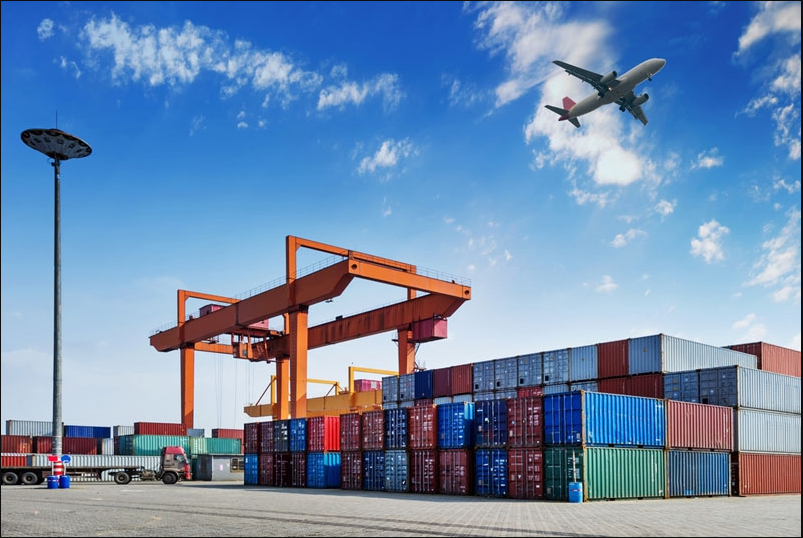

The Hong Kong government has reaffirmed its commitment to strengthening the city’s status as a global logistics, shipping, and aviation hub, pledging targeted support and investment to navigate the mounting challenges posed by ongoing U.S.-China trade tensions.
Speaking at a high-level industry forum on Friday, Secretary for Transport and Logistics Lam Sai-hung said Hong Kong will take a proactive role in reinforcing its core strengths in international trade and transport, as geopolitical uncertainty and protectionist policies threaten to reshape global supply chains.
“We must rise above current uncertainties by accelerating innovation, strengthening connectivity, and enhancing our competitiveness as a gateway between China and the rest of the world,” Lam stated. “Hong Kong’s position as a super-connector has never been more important.”
Policy Push to Future-Proof Trade Sectors
The city’s leadership outlined several new initiatives, including boosting digitalization of logistics operations, expanding port capacity, and deepening integration with the Greater Bay Area — a key driver of economic and infrastructure collaboration between Hong Kong, Macau, and nine cities in Guangdong province.
The government is also working closely with the Airport Authority to further enhance the Hong Kong International Airport’s role as a regional aviation hub, with upgrades in cargo handling capacity and long-haul route development at the center of its post-pandemic recovery strategy.
These moves come at a time when shipping costs are fluctuating, freight volumes are under pressure, and global trade routes are being redrawn in response to tariffs, export controls, and heightened tensions between the world’s two largest economies.
Resilience Through Diversification
Industry stakeholders praised the government’s commitment, but stressed the need for Hong Kong to diversify trade partnerships and enhance its role in emerging sectors such as green logistics, smart warehousing, and supply chain fintech.
“Hong Kong has the infrastructure, the talent, and the connectivity — but the global trade environment is shifting rapidly,” said Karen Yeung, CEO of a regional freight logistics firm. “We must be agile and forward-looking if we want to stay ahead.”
As the trade war continues to evolve and disrupt traditional shipping lanes and sourcing patterns, Hong Kong is positioning itself not only as a bridge between East and West but also as a resilient, tech-driven trade ecosystem prepared for the challenges ahead.
Regional Role Under the Microscope
With competing ports and logistics hubs across Asia — including Singapore, Shenzhen, and Dubai — ramping up their capabilities, Hong Kong’s strategy will be closely watched by regional competitors and multinational firms seeking stable supply chain nodes in an era of economic fragmentation.
Lam reiterated that Hong Kong’s free port status, rule of law, and access to both Chinese and global markets remain its defining strengths.
“While the world becomes more uncertain, Hong Kong’s direction is clear,” he said. “We will lead through collaboration, innovation, and connectivity.”
source: hongkongfp.com