
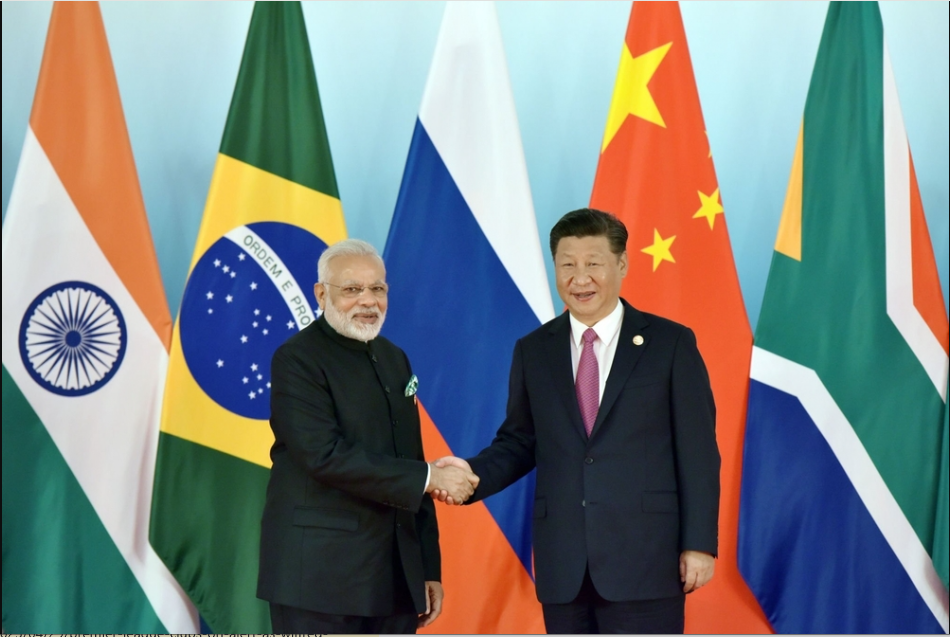

In a rapidly evolving geopolitical landscape, China and India are making calculated moves to fill the leadership vacuum left by what analysts describe as the United States’ gradual retreat from its traditional role as global steward.
From infrastructure diplomacy to climate negotiations and digital governance, the world’s two most populous nations are quietly advancing competing but occasionally converging visions of international order. Both Beijing and New Delhi are leveraging multilateral platforms, regional alliances, and economic partnerships to assert influence well beyond their borders.
“Washington’s inward turn has created openings for alternative centers of gravity in global leadership,” said Dr. Maria Chen, a geopolitical analyst at the Brookings Institution. “China and India are not just rising powers—they are now shaping the rules of engagement in key global arenas.”
China continues to expand its Belt and Road Initiative (BRI), despite mounting debt concerns in some partner countries. Simultaneously, Beijing is gaining traction in Africa and Latin America through digital infrastructure investments and health diplomacy. India, on the other hand, is positioning itself as a non-aligned tech and development partner, with its G20 presidency and Digital Public Infrastructure model earning international praise.
Though often at odds geopolitically especially along their contested Himalayan border both nations share a common interest in reforming institutions they see as relics of a Western-dominated post-WWII order. Their diplomatic strategies are markedly different: China’s assertiveness contrasts with India’s emphasis on dialogue and democratic values, particularly in the Global South.
Meanwhile, the U.S. has scaled back its leadership in areas such as climate finance, multilateral development, and conflict mediation, prompting criticism from allies and observers. “American disengagement is not just about military pullbacks; it’s about moral and diplomatic absence,” said former U.N. envoy Samantha Power.
While Washington’s allies in Europe and the Indo-Pacific remain cautious, they are increasingly hedging courting partnerships with both China and India in a world no longer defined by a single superpower.
The coming decade, experts suggest, may be shaped less by confrontation and more by competition in ideas, influence, and systems where Beijing and New Delhi now play central roles.
source: asianikkei.com