
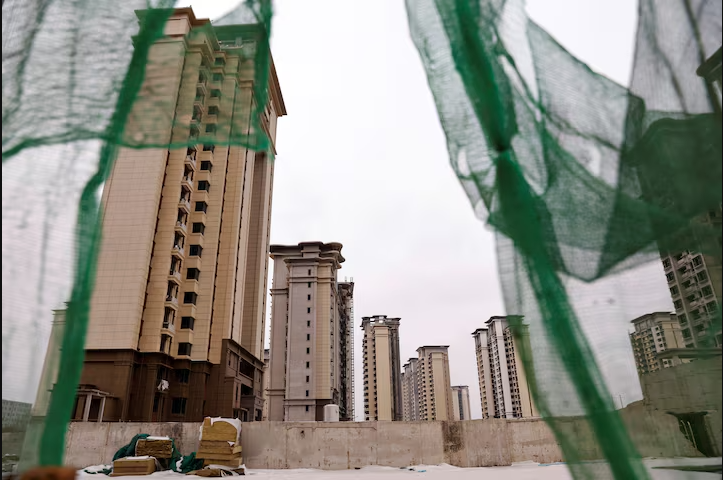

China’s troubled real estate giant, China Evergrande Group, is once again in the spotlight as it stares down the barrel of delisting from the Hong Kong Stock Exchange a move that signals deeper turbulence for the country’s ailing property sector. The company, once the world’s most indebted property developer, has struggled to restructure its liabilities while broader efforts to stabilize the real estate market remain sluggish.
The Hong Kong exchange announced that Evergrande had failed to meet key listing requirements, including maintaining adequate operations and fulfilling audit obligations. Trading of Evergrande shares has already been suspended for extended periods, and delisting now seems increasingly inevitable unless the company demonstrates rapid and credible recovery steps an unlikely prospect, according to analysts.
This development comes as China’s wider property debt overhaul appears to be dragging, weighed down by opaque negotiations, limited investor confidence, and a lack of decisive policy direction. More than $300 billion in developer debt remains unresolved, affecting not just domestic banks and bondholders, but also global investors who had hoped for a more transparent restructuring framework.
“Evergrande’s potential delisting is symbolic of the broader stagnation in the sector’s recovery,” said Yan Liu, a property market analyst at Beijing Research Group. “The government’s initial pledges to contain financial risk and ensure housing delivery have given way to a slow, piecemeal approach that’s frustrating both creditors and homeowners.”
Since its debt default in 2021, Evergrande has submitted several restructuring proposals, only for them to collapse under the weight of internal disputes, regulatory scrutiny, and legal challenges. Meanwhile, court-appointed liquidators are pressing forward with asset sales, including overseas properties, but proceeds have been minimal.
The ongoing uncertainty has compounded stress across China’s property sector, with dozens of other developers, including Country Garden and Sunac, also grappling with liquidity woes. Despite efforts by the central government to ease mortgage rules and support local governments, property sales remain weak, particularly in smaller cities.
International investors, once enthusiastic participants in China’s real estate boom, are increasingly wary. Calls for clearer timelines, better legal protections, and more consistent enforcement have grown louder, but meaningful progress remains elusive.
As Evergrande’s fate hangs in the balance, the larger question remains whether Beijing can navigate a path out of the property quagmire without triggering broader financial instability. For now, the market continues to tread water with no clear rescue in sight.