
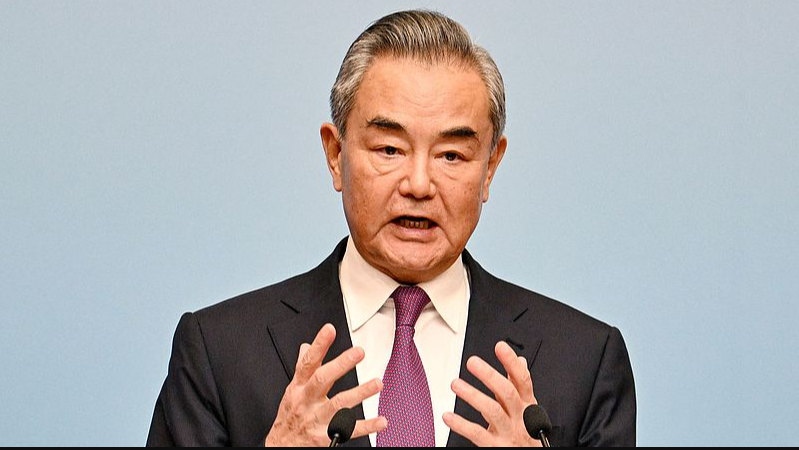

China’s Foreign Minister Wang Yi will preside over the 10th Lancang-Mekong Cooperation (LMC) Foreign Ministers’ Meeting, underscoring Beijing’s bid to deepen economic, environmental, and security ties with its Southeast Asian neighbours along the Mekong River.
The meeting, set to bring together foreign ministers from Cambodia, Laos, Myanmar, Thailand, and Vietnam, aims to bolster collaboration in trade, infrastructure, water resource management, and sustainable development. Officials are also expected to discuss regional stability amid evolving geopolitical and economic challenges.
Wang’s leadership of the forum reflects China’s continued emphasis on the LMC as a strategic platform for regional diplomacy. The mechanism, established in 2016, has facilitated joint projects in agriculture, connectivity, and cultural exchange, while also serving as a forum for dialogue on shared river management.
The Lancang-Mekong River known as the Lancang in China and the Mekong downstream — is a vital lifeline for more than 70 million people, supporting fisheries, agriculture, and transport. However, it has also been at the centre of disputes over dam construction, water flow management, and ecological sustainability.
Observers say this year’s meeting comes at a critical juncture, as countries along the river face mounting pressures from climate change, El Niño-induced droughts, and shifting regional trade dynamics. The talks are expected to touch on balancing development with environmental preservation, as well as enhancing resilience to natural disasters.
China has expressed readiness to expand cooperation through the LMC Special Fund, which finances small- and medium-scale projects in member states. Analysts suggest the meeting will also explore synergies with broader initiatives such as the Belt and Road framework and ASEAN-led mechanisms.
The outcome of the 10th LMC Foreign Ministers’ Meeting could set the tone for a more integrated regional approach to shared challenges and reaffirm the role of the river as a bridge rather than a dividing line between nations.