
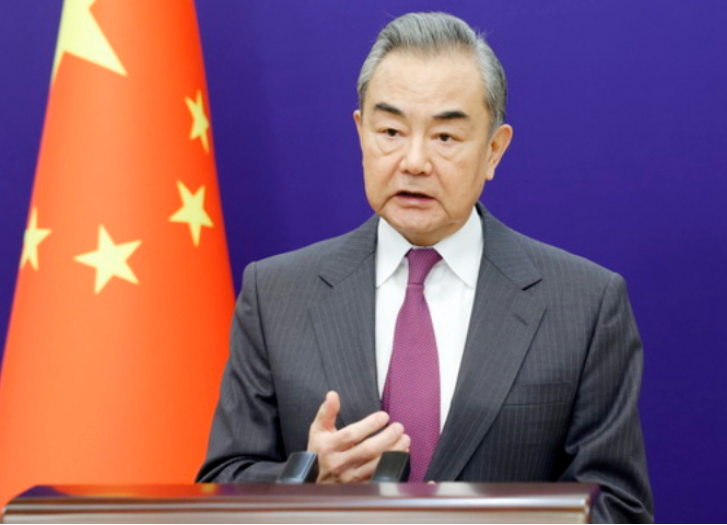

Chinese Foreign Minister Wang Yi embarked on his first trip to New Zealand and Australia in seven years on Sunday, aiming to bolster healthy bilateral relations while addressing differences and navigating external pressures.
At the invitation of Deputy Prime Minister and Minister of Foreign Affairs of New Zealand Winston Peters and Australian Minister for Foreign Affairs Penny Wong, Wang, a member of the Political Bureau of the CPC Central Committee, is scheduled to undertake an official visit to both countries from March 17 to 21, announced the Chinese Foreign Ministry on Thursday.
Wang is set to engage in discussions with Australian Foreign Minister Penny Wong in Canberra on March 20, marking his first visit to Australia since 2017. Prime Minister Anthony Albanese revealed on Saturday that the removal of Chinese tariffs on Australian wine would be among the topics discussed during Wang’s visit.
In New Zealand, Wang will hold bilateral meetings and an official dinner with Foreign Affairs Minister Winston Peters in Wellington, as reported by Radio New Zealand. However, specific details regarding the schedule were not disclosed.
Peters emphasized the significance of the comprehensive strategic partnership between New Zealand and China, particularly as the relationship enters its tenth year. He underscored the importance of discussing future collaboration and understanding between the two nations.
Experts highlighted the achievements in economic cooperation between China and New Zealand over the past decade, with expectations of further progress in economic, trade, and regional cooperation during Wang’s visit.
However, challenges may arise under the new New Zealand coalition government, which assumed office in November 2023. The government’s stance on China-related issues remains relatively unspoken, prompting anticipation for discussions between Wang and Peters to address regional and global concerns.
External influences, particularly from the US and its allies, also pose potential strains on Beijing-Wellington ties. New Zealand’s close ties with the US and Australia may influence its stance on China-related matters, with recent developments indicating potential alignment with the AUKUS security partnership.
The prospect of New Zealand joining AUKUS, particularly the non-nuclear pillar, has drawn attention and raised concerns about its implications on regional stability and bilateral relations with China.
Despite external pressures, New Zealand faces internal divisions regarding its approach to China-related issues and its relationship with the US. Managing these complexities will be crucial for maintaining stability and promoting mutually beneficial ties between New Zealand and its largest trading partner, China.