
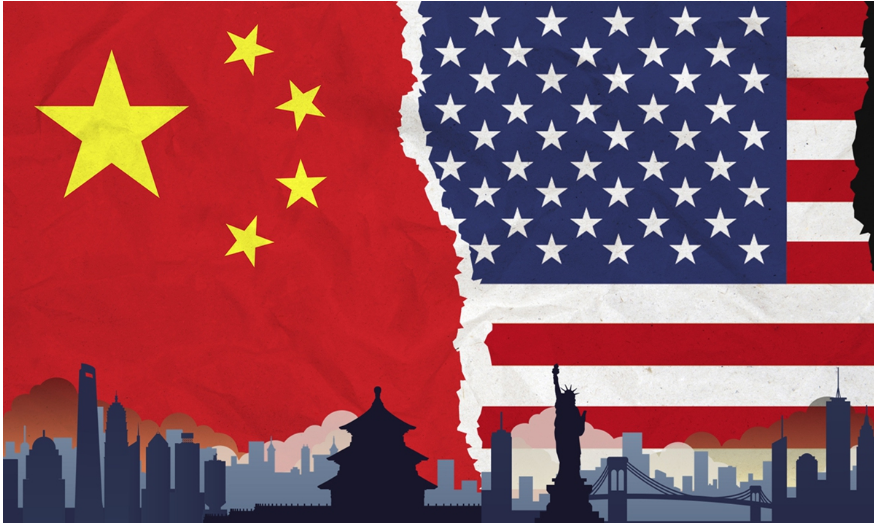

Recent exchanges between China and the US have encompassed various domains, including military, financial, and economic spheres. Analysts view these frequent interactions between the world’s two largest economies as constructive, potentially aiding in the management of bilateral differences and fostering mutual understanding of each other’s policies.
However, a notable aspect of current China-US relations is Washington’s tendency to assert demands without demonstrating sincere responses to China’s reasonable requests. While bilateral relations have achieved a degree of stability, their potential for further progress remains uncertain, with observers cautioning against potential pitfalls, particularly in the military realm.
In a significant development, Chinese Defense Minister Dong Jun engaged in a video call with US Defense Secretary Lloyd Austin, emphasizing the commitment of both countries’ leaders to stabilize and enhance bilateral relations. Dong reiterated China’s firm stance on the Taiwan issue, highlighting its core interests and opposition to any activities promoting “Taiwan independence.”
Simultaneously, economic and financial working groups from both nations convened in Washington DC for their fourth meeting, engaging in substantive discussions on implementing previous agreements and addressing macroeconomic concerns. This meeting followed US Treasury Secretary Janet Yellen’s recent visit to China, which yielded new areas of consensus and laid groundwork for future engagements.
Despite the effective communication between the two sides, some experts argue that US sincerity in these exchanges remains insufficient. They perceive US motivations as primarily aimed at bolstering confidence among its allies and maintaining strategic control over China-US relations.
While military communication has been largely restored, uncertainties persist, particularly regarding US actions and adherence to China’s core interests. Chinese observers remain vigilant against potential provocations, such as US military activities in sensitive regions like the Taiwan Strait and the South China Sea.
Amidst these dynamics, caution is advised to prevent inadvertent escalation and maintain relative stability in China-US relations. Despite increased interactions, progress beyond stability hinges on resolving key issues and fostering mutual cooperation, a goal that requires genuine engagement from both sides.
However, the current focus of the US appears more geared towards stability maintenance rather than proactive improvement in bilateral relations. As tensions persist, particularly in the economic and trade sectors, the path forward remains uncertain, with observers highlighting the challenges ahead, including US Secretary of State Blinken’s upcoming visit to China.