

The G20 Summit in Rio de Janeiro has been highlighted as an important venue for fostering global consensus and bridging differences, particularly in the context of entrepreneurship and sustainable development. According to Gao Jian, director of the Entrepreneurship Research Center on G20 Economies at Tsinghua University, the summit will play a crucial role in creating a favorable environment for entrepreneurship to help tackle global challenges and support long-term sustainability.
Key Points from Gao Jian’s Perspective
1. G20’s Role in Global Economic Development
Gao emphasized that the G20 is a broad international mechanism that brings together both developing and developed countries, ensuring that various regions and continents are represented. Each member economy, regardless of its level of development, plays a unique role in shaping global economic progress. The annual G20 Summit and its agenda provide a platform to discuss key issues, build consensus, and work towards common goals, making it beneficial for global economic development.
2. Theme of the 2024 Summit: ‘Building a Just World and a Sustainable Planet’
The 2024 G20 Summit is centered around the theme “Building a Just World and a Sustainable Planet”. This theme underscores the collective aim of G20 nations to create more employment opportunities, establish a competitive position in global trade, and avoid falling behind in the race for economic growth. However, Gao Jian noted that such goals must be achieved without compromising sustainable development. Addressing challenges such as employment issues and navigating the green and digital transition are central to this agenda.
3. The Need for Global Cooperation
Gao emphasized that global cooperation is essential to achieving sustainability. He pointed out that entrepreneurial companies play a key role in technological innovation, reducing carbon emissions, and addressing global challenges through new solutions. For example, China’s leadership in the electric vehicle industry, largely driven by startups, serves as an example of how innovation and entrepreneurship can contribute to sustainability.
4. Progress of the G20 Entrepreneurship Action Plan
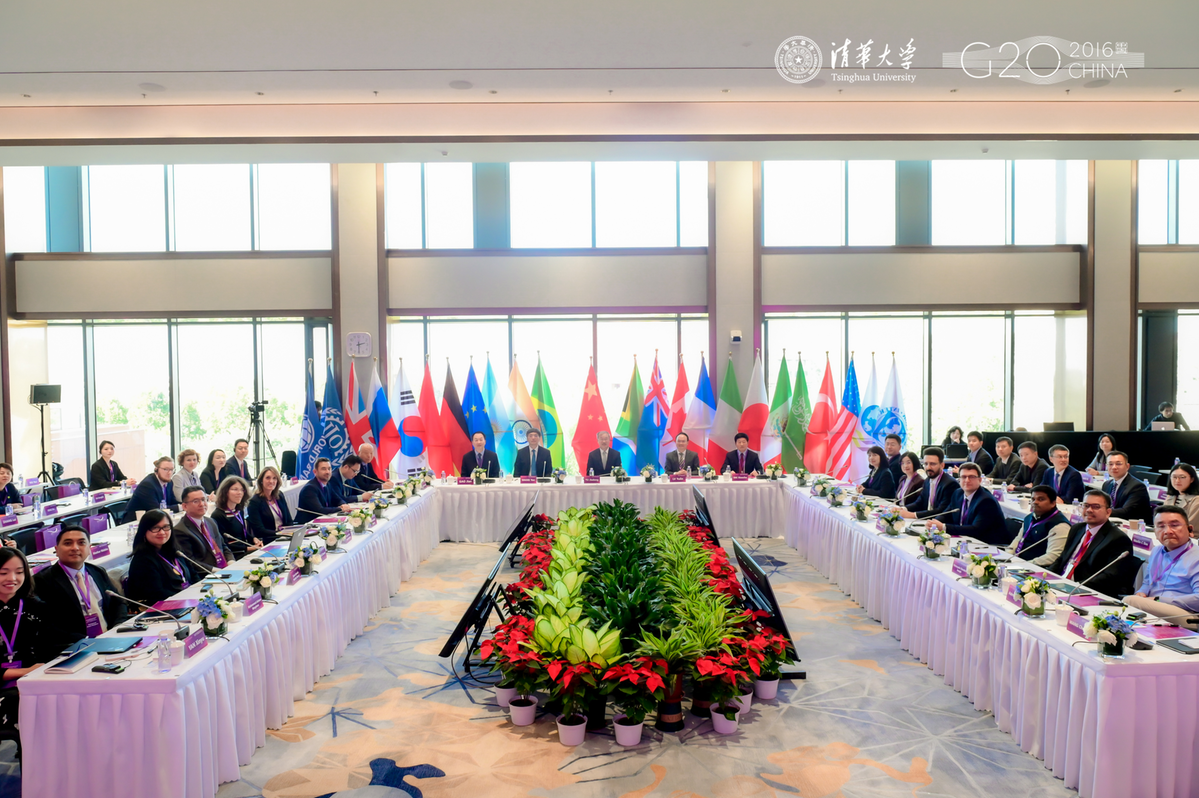
The Entrepreneurship Research Center on G20 Economies, which Gao Jian heads, was established in 2017 to help implement the G20 Entrepreneurship Action Plan. This plan was adopted during the 2016 G20 Labour and Employment Ministers’ Meeting and recognized that technological changes, economic globalization, and demographic shifts present both challenges and opportunities for G20 economies. It urged member countries to foster an innovative and inclusive growth pattern through entrepreneurship and to support job creation by developing new engines of economic growth.
5. Entrepreneurial Ecosystem and Challenges
Since its inception, the Entrepreneurship Research Center has organized an annual G20 Entrepreneurship Roundtable to evaluate the progress of member nations in implementing the Entrepreneurship Action Plan. Gao highlighted that G20 members are largely keeping pace with emerging industries such as the digital economy and green transition, though there are disparities between developed and developing countries. Developed nations tend to have more systematic and detailed entrepreneurial policies, while developing countries may lag in these areas.
6. China’s Role in Entrepreneurship
China’s approach to entrepreneurship was highlighted as a model for inclusive growth. Gao pointed out that China provides tailored policies for different groups, such as young people, women, and new university graduates, through social institutions offering incubation services. This practice is considered advanced globally and helps foster an entrepreneurial spirit across various segments of the population.
Furthermore, China’s reform and opening-up policies have been conducive to global economic development and openness, which benefit entrepreneurs worldwide. Events like the China International Import Expo and the Canton Fair are prime examples of initiatives that stimulate international entrepreneurship and contribute to global trade.
The Path to Sustainable Entrepreneurship
As the G20 Summit in Rio de Janeiro approaches, the discussions around entrepreneurship and sustainability will be vital for shaping a more inclusive and sustainable global economy. The platform provided by the G20 will continue to support cooperation among member countries, enabling the exchange of entrepreneurial practices and driving innovation. For countries like China, whose entrepreneurial ecosystem is evolving rapidly, the G20 provides a crucial space to collaborate with other nations and collectively address the global challenges of today’s interconnected world.
By leveraging technological advancements, focusing on green transitions, and prioritizing inclusive economic growth, the G20 can help lead the way toward a more just and sustainable world.