

Three or four decades ago, multinational corporations (MNCs) adopted a relatively straightforward approach when expanding into China. They would import successful products from international markets and have local factories produce them for the Chinese consumer. This model was effective due to the massive scale of the Chinese market, which offered substantial growth opportunities.
Over time, this approach allowed companies to establish a significant presence within China, opening additional plants, branches, and regional offices. The model worked well in an era of rapid economic growth and growing domestic demand, positioning many global firms for success.
However, the business landscape in China has evolved dramatically, and the once-effective model is no longer sufficient for today’s dynamic and competitive environment. As China’s economy has become more complex and its consumer base increasingly sophisticated, multinational corporations have had to adapt their strategies to stay relevant and competitive.
Changing Landscape and Focus on Innovation
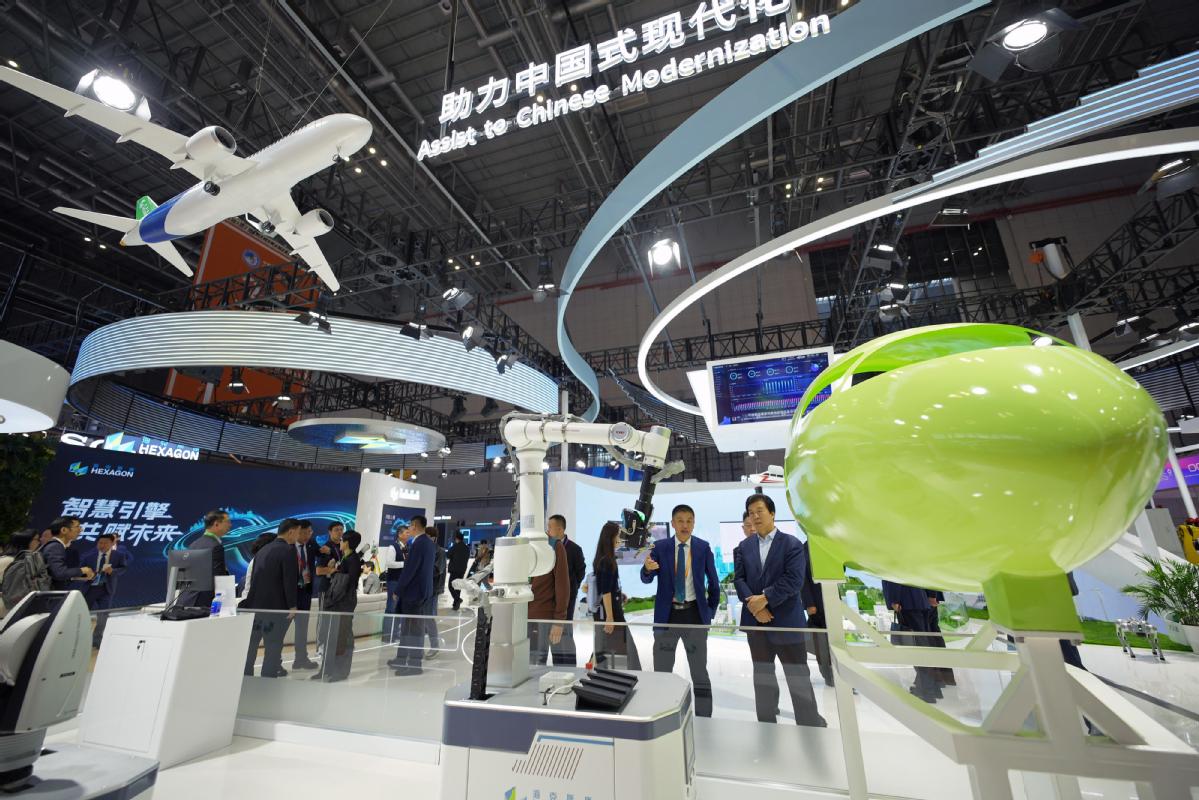
Today, global companies are increasingly turning to platforms like the China International Import Expo (CIIE) to showcase their products, solutions, and services. The CIIE, held annually in Shanghai since 2018, has become a major venue for foreign companies to present their latest innovations and connect with new clients in China and beyond.
Unlike the earlier strategy of simply importing existing products, many companies now focus on research and development (R&D) within China itself. This shift is highlighted by the growing number of products and technological solutions unveiled at the CIIE that were developed in China-based R&D centers. This trend reflects the growing importance of the Chinese market not just as a consumer base but as a hub for innovation and product development.
The Seventh Edition of the CIIE: Record Participation and Global Engagement
The seventh edition of the CIIE, which took place from November 5-10, 2024, attracted a record number of exhibitors and participants, underscoring the expo’s significance as a global platform for trade and innovation. Covering over 420,000 square meters, the event featured 3,496 exhibitors from 129 countries and regions, showcasing the diverse range of global products and services available to Chinese consumers and businesses.
Notably, 297 Fortune 500 companies and industry leaders participated in this year’s expo, marking a record high. This reflects both the growing importance of China as a marketplace and the increasing emphasis on innovation and technological solutions by global corporations.
Multinational Corporations Embrace China as a Hub for R&D
The trend of investing in R&D in China has gained significant momentum in recent years. Global companies are recognizing the value of positioning their R&D centers in China to develop products tailored for the local market. This not only helps them stay competitive within China but also allows them to tap into the broader regional market and strengthen their global supply chains.
For instance, numerous high-tech companies and manufacturing giants are now developing cutting-edge technologies such as artificial intelligence (AI), electric vehicles (EVs), and renewable energy solutions in collaboration with Chinese universities and research institutes. These innovations are often showcased at the CIIE, where companies demonstrate how they are adapting to local demands and contributing to the global push for sustainability and digital transformation.
Evolving Business Strategies and Global Engagement
The CIIE has become a vital platform for multinational corporations to engage with the Chinese market and connect with new clients from around the world. As China continues to evolve as a global innovation hub, businesses are increasingly shifting their strategies to focus on local R&D and the development of new products and technologies within China.
The record participation at this year’s CIIE highlights the growing recognition of China’s role in the global economy. For multinational corporations, the future of doing business in China will depend on their ability to adapt to this changing landscape, investing in local innovation and embracing the opportunities presented by China’s expanding consumer base and technology-driven growth.