
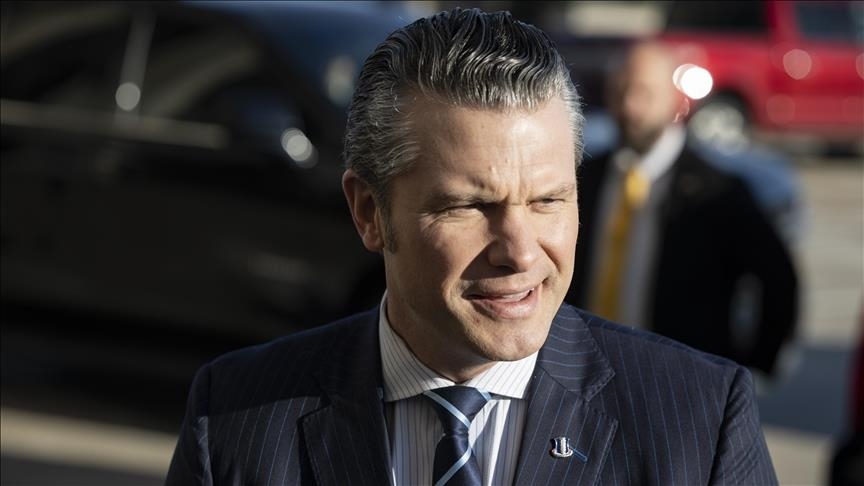

In a statement that reaffirms the United States’ commitment to European security, U.S. Defense Secretary Lloyd Austin announced that there are no plans to reduce the number of American military personnel stationed in Europe. Speaking at a press conference on Monday, Austin emphasized the strategic importance of U.S. forces in Europe, particularly in light of Russia’s ongoing aggression in Ukraine.
The announcement comes amid growing concerns over the U.S. military’s global posture and shifting focus toward countering China’s increasing influence in the Indo-Pacific. Austin stressed that while the Pentagon continues to adapt its military strategies to meet the challenges posed by China, the security of NATO allies and the defense of Europe remain top priorities.
“There is no intention to pull back U.S. forces from Europe. Our commitment to NATO and to the defense of Europe is ironclad,” Austin said. “We continue to monitor developments in Europe and around the world, but our forces are crucial in maintaining stability in this region and ensuring that Russia does not succeed in its ambitions.”
Currently, around 100,000 U.S. troops are stationed across Europe, with many deployed in NATO member states. These forces play a critical role in deterrence operations and maintaining a strong defensive posture against Russian aggression.
Austin’s remarks also underscored the broader U.S. defense strategy, which is shifting to better counter the strategic challenge posed by China, particularly in the Indo-Pacific region. While Europe remains a cornerstone of U.S. defense policy, the Pentagon is recalibrating its resources to ensure it can meet the growing Chinese threat, Austin noted.
“We’re focused on a strategy of global readiness,” Austin added. “While we strengthen our presence in the Indo-Pacific, we also ensure that we maintain robust capabilities in Europe. Our approach is designed to respond to threats in multiple regions simultaneously.”
The comments came as NATO and U.S. leaders prepare for a series of high-level meetings in the coming months, where defense spending, military readiness, and global security threats will be key topics of discussion.
Analysis
Austin’s statements signal a continued U.S. commitment to European security, reinforcing the importance of NATO as a bulwark against external threats. While China’s growing military capabilities continue to dominate U.S. defense planning, Austin’s emphasis on Europe reflects the complexity of global defense priorities in an era of multipolar threats. The U.S. faces the challenge of balancing resources to confront the rise of China, while maintaining its long-standing security commitments to Europe and its NATO allies.
As the situation in Ukraine remains fluid, and as China strengthens its presence in the South China Sea and beyond, the coming years will likely see an even greater focus on multi-theater military readiness and partnerships across the globe.