
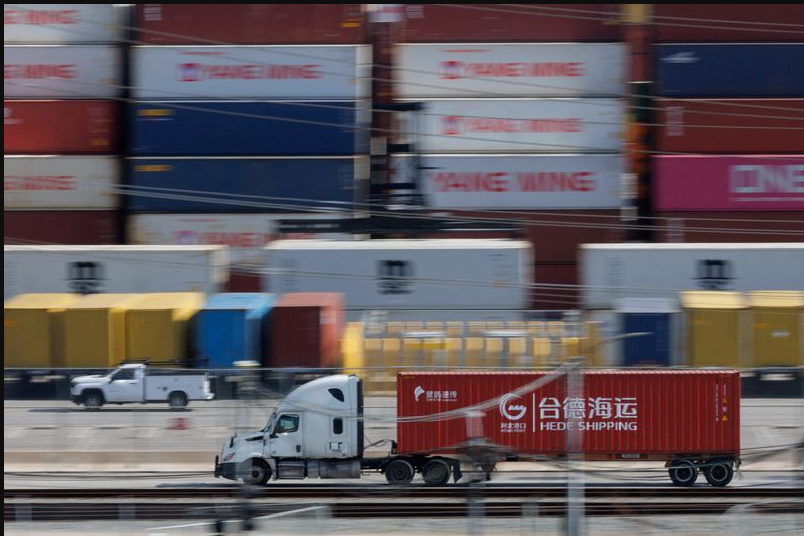

Former President Donald Trump’s renewed tariffs on key trading partners, including Canada, China, and Mexico, have reignited a trade conflict that is already beginning to impact both international relations and domestic prices.
The latest round of tariffs, which came as part of a broader strategy aimed at reducing the U.S. trade deficit and protecting American manufacturing, has sent shockwaves through global markets. Economists predict that the tariff hikes will lead to significant price increases for goods ranging from electronics and automobiles to agricultural products, affecting consumers and businesses alike.
Critics of the policy argue that these measures, designed to protect U.S. interests, could backfire by inflating costs for American consumers and disrupting the supply chains that companies have built over the past decades. For instance, the automotive industry, which relies heavily on parts from Mexico and Canada, is expected to see higher production costs. Similarly, the tech sector, which sources components from China, could face delays and increased prices on everything from smartphones to laptops.
The U.S. government is defending the tariffs as necessary to address unfair trade practices, but the move has drawn sharp condemnation from affected countries. China, Mexico, and Canada have all vowed to retaliate, with Canada imposing its own tariffs on U.S. imports such as steel and aluminum, and China threatening new duties on agricultural products.
As tensions rise, the global economy faces the prospect of a trade war that could have far-reaching consequences, with many worried about the impact on global growth and the stability of international markets.
source: reuters.com