
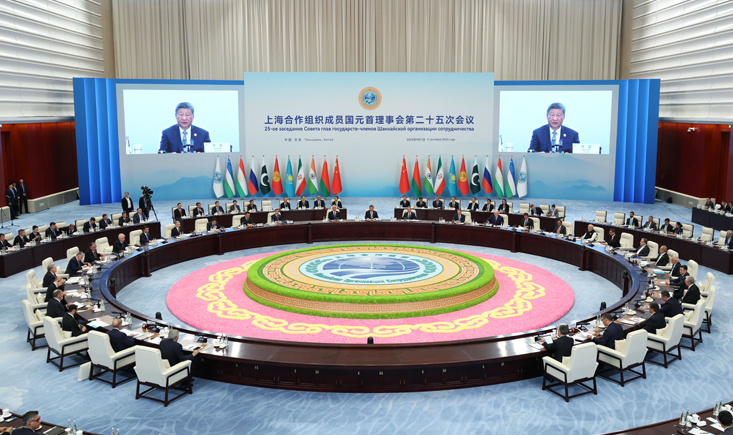

China has reaffirmed its commitment to deepen cooperation with Pakistan by implementing agreements reached at the recent Tianjin Summit, according to remarks made by Beijing’s top envoy in Islamabad.
The pledge underscores the long-standing “all-weather partnership” between the two nations, which continues to evolve amid shifting geopolitical dynamics in South Asia.
Envoy’s Remarks
Speaking at a press briefing in Islamabad, the Chinese ambassador stressed that both governments are prepared to “translate summit outcomes into concrete projects”, covering areas such as:
- Trade and Investment: Expanding bilateral commerce and encouraging joint ventures.
- Infrastructure Development: Advancing projects under the China–Pakistan Economic Corridor (CPEC), a flagship component of Beijing’s Belt and Road Initiative.
- Technology and Energy Cooperation: Enhancing collaboration in clean energy, digital technology, and innovation.
“The Tianjin Summit was not just symbolic it created a roadmap for practical cooperation,” the envoy said.
Pakistan’s Response
Pakistani officials welcomed China’s assurances, noting that stronger ties could help stabilise the country’s economy, which has faced persistent challenges including high inflation and external debt.
Foreign Ministry representatives said Islamabad would “work closely with Chinese counterparts to ensure that agreements translate into benefits for both economies and peoples.”
Regional and Global Context
- The announcement comes at a time of increasing competition in the region, with the United States and India strengthening their own strategic partnership.
- Analysts suggest China’s overtures are aimed at consolidating its influence in South Asia, particularly through CPEC, which gives Beijing a direct trade route to the Arabian Sea.
- The move also signals Beijing’s intent to reassure its partners amid growing scrutiny of the Belt and Road Initiative and concerns about debt sustainability in participating countries.
Looking Ahead
Both sides are expected to form joint working groups to oversee the implementation of summit agreements, with priority projects likely to include new energy corridors, technology parks, and special economic zones.
Observers say the pace of delivery will be crucial for Islamabad, which is keen to show that its partnership with Beijing can bring tangible results for its struggling economy.