
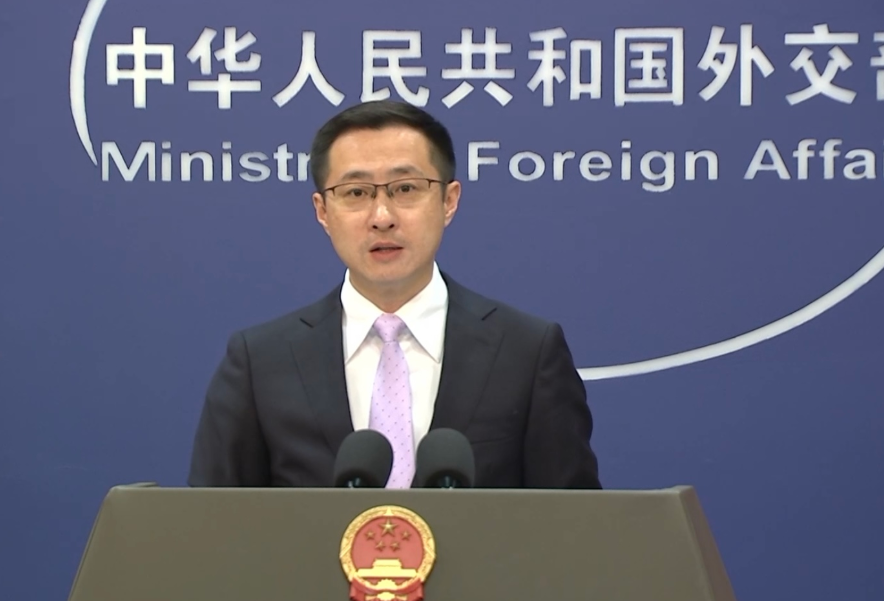

China has voiced strong opposition to Mexico’s plan to impose 50% tariffs on Chinese-made vehicles and a range of other goods, warning that such measures could undermine bilateral trade relations and broader global supply chains.
The proposed duties, announced by Mexico earlier this week, are aimed at protecting its domestic automotive industry from what officials describe as a flood of low-cost Chinese imports.
Beijing’s Response
A spokesperson for China’s Ministry of Commerce condemned the move, urging Mexico to “respect the principles of fair trade and market openness.”
“China firmly opposes unilateral protectionist measures that distort the global trading system,” the statement said. Beijing also called for dialogue to resolve differences, stressing that cooperation between the two economies benefits both sides.
Mexico’s Position
Mexico, home to a significant car manufacturing sector, has argued that the proposed tariffs are necessary to safeguard jobs and prevent its industry from being undercut.
Officials say that while Mexico values trade with China, the surge in Chinese electric and petrol vehicles, along with other manufactured goods, poses a “serious competitive threat” to local producers.
Broader Implications
- For China: The proposed tariffs come at a time when Chinese automakers are aggressively expanding into overseas markets, particularly in Latin America and Europe, as demand for electric vehicles grows.
- For Mexico: The country is balancing its reliance on international trade with its commitments under the United States–Mexico–Canada Agreement (USMCA), where pressure from Washington to limit Chinese influence has been mounting.
- For Global Trade: Analysts warn the measures could trigger retaliatory actions by Beijing, potentially affecting Mexico’s exports of agricultural products and raw materials to China.
Industry Impact
Mexico’s tariff proposal could reshape supply chains across the Americas:
- Chinese automakers, which have been gaining traction in Mexico with competitively priced electric cars, may reconsider their strategies.
- US automakers with operations in Mexico could indirectly benefit from reduced competition, although consumers may face higher prices.
- The move reflects a broader global trend of countries imposing trade barriers against Chinese goods amid concerns about overcapacity and unfair competition.
What Comes Next
Negotiations are expected in the coming weeks, with Beijing urging Mexico to seek a compromise solution.
Trade experts suggest China could respond by offering investment incentives in Mexico’s automotive supply chain, while simultaneously keeping the option of filing a complaint at the World Trade Organization (WTO) on the table.
For now, the dispute underscores the increasingly fragile balance between open markets and protectionist pressures, as nations grapple with rapid shifts in the global auto industry.