

As the world navigates through a rapidly changing geopolitical and economic environment, several major developments have captured attention across Europe, the US, and China, each with far-reaching implications for the global future.
In Europe, the focus has shifted to the continent’s evolving demographic challenges. With birth rates continuing to decline across much of the region, nations are grappling with aging populations and the economic consequences of shrinking workforces. Countries like Germany and Italy are at the forefront of these concerns, with the need for immigration policies and social welfare reforms taking center stage in policy debates.
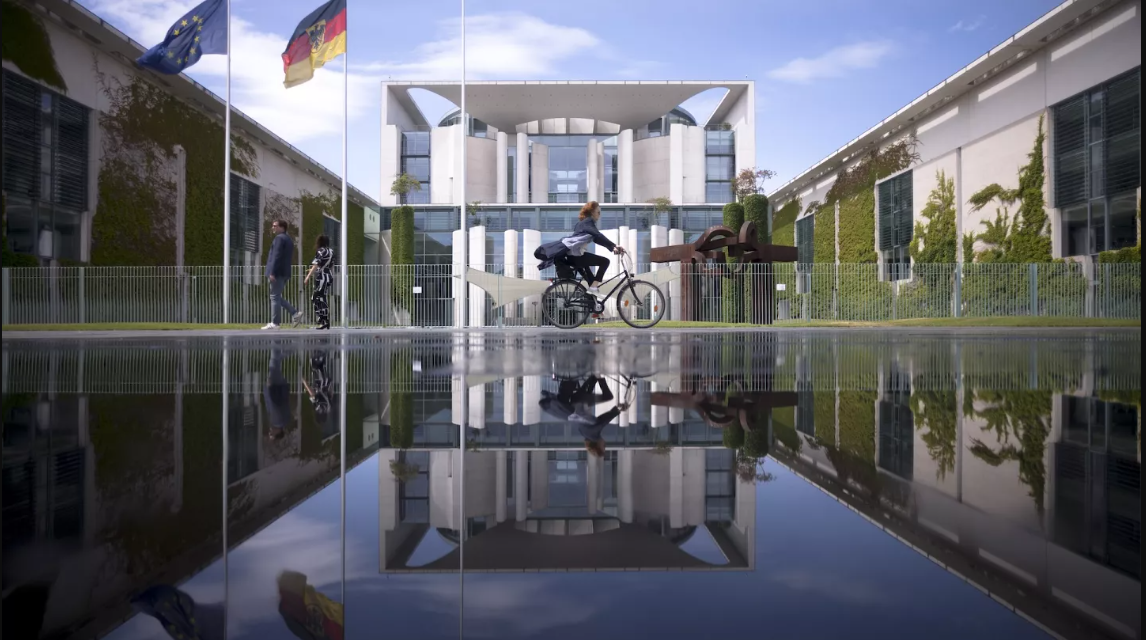
Meanwhile, Germany’s recent federal election results have sparked significant political discourse. The country is facing an uncertain political future after the elections saw major shifts in the balance of power, with traditional parties losing ground to rising political movements. This shift has raised questions about the country’s direction on issues such as climate change, migration, and the role of the European Union.
Across the Atlantic, the US finds itself embroiled in an ongoing tariff war with China, with businesses on both sides of the Pacific suffering from the trade standoff. The Trump administration’s protectionist policies have led to a volatile trade environment, affecting industries ranging from agriculture to technology. Despite attempts at negotiations, the impact of the tariffs continues to ripple through the global economy.
In China, a different kind of crisis is unfolding as the real estate sector faces mounting debt and stagnation. The once-booming housing market is now showing signs of stress, with major property developers struggling under heavy financial burdens. This has raised concerns about the broader economic stability in China, particularly as the government attempts to balance growth with financial control.
These interconnected issues—Europe’s demographic shifts, Germany’s political instability, the US-China trade war, and China’s real estate crisis—are shaping the trajectory of the global economy and geopolitics in profound ways. The outcomes of these developments will have lasting effects on international relations, economic growth, and social policies for years to come.
source: gijn.org