
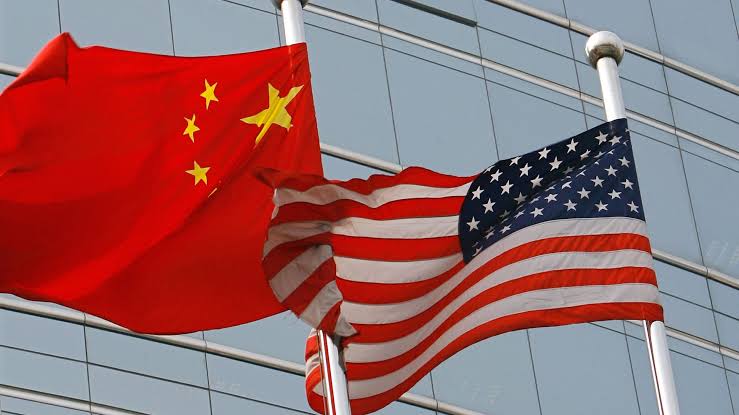

In a move that marks a significant escalation in the ongoing U.S.-China trade conflict, China announced it will impose a hefty 34% tariff on all imports from the United States, effective April 10. This sweeping tariff increase comes at a time when both nations are already grappling with economic instability and inflation, heightening concerns over the impact on global trade.
What This Means for U.S.-China Trade
The new tariff will apply to a wide range of goods, including electronics, agricultural products, industrial machinery, and consumer goods, which are vital to both U.S. and Chinese markets. China’s decision follows a pattern of punitive tariffs previously exchanged between the two economic powers but escalates the situation to a new level. Beijing has indicated that the hike is driven by concerns over perceived unfair trade practices and what it views as ongoing U.S. economic pressures.
Chinese officials have justified the tariff increase by asserting that the U.S. continues to disrupt international trade through what they describe as “unilateral actions” against Chinese businesses and industries. The government has refrained from offering specifics on how this policy will address the issues of intellectual property theft or market access, but the symbolism of the tariff increase is clear: it is a direct response to Washington’s policies.
Implications for Global Supply Chains
The impact of the 34% tariff hike will likely reverberate through global supply chains, which have already been under stress due to years of escalating trade tensions. U.S. businesses with Chinese manufacturing partners will now face higher costs, which could translate into higher prices for consumers in both countries. For industries that rely heavily on Chinese manufacturing, such as electronics and textiles, the additional costs could disrupt production and force businesses to seek alternatives.
The tariff increase could also exacerbate supply shortages that have plagued global markets, particularly in sectors like semiconductors, consumer electronics, and machinery. For American consumers, this could mean a rise in prices for goods ranging from smartphones to household appliances, while Chinese consumers may face higher costs for U.S. agricultural products and other imports.
Washington’s Likely Response
While the Biden administration has yet to issue a formal response, experts believe the U.S. will likely retaliate in some form, as it has done in the past. Economic analysts predict that Washington could either raise tariffs on Chinese goods or seek to impose new restrictions on Chinese companies operating within the United States. The administration may also explore diplomatic channels to de-escalate the situation, though the chances of a quick resolution seem slim.
The U.S. could also look to involve international trade organizations like the World Trade Organization (WTO) to challenge the tariff hikes on the grounds of unfair trade practices. However, given the historical complexity of WTO disputes, this path could be long and drawn-out, offering little immediate relief for businesses and consumers.
Broader Economic Context
Both countries are already dealing with significant domestic economic challenges. The U.S. has been struggling with inflationary pressures, rising interest rates, and a slowing economy, while China is facing its own growth hurdles, including a slowdown in its manufacturing sector and decreasing demand for exports. The tariff hike exacerbates these challenges, potentially derailing efforts to stabilize economic growth in both nations.
With inflation continuing to affect consumer spending and industrial output, these new tariffs may contribute to higher living costs and strain already fragile supply chains. Businesses will likely be forced to adjust pricing strategies, which could ultimately harm consumers through price hikes, even as both governments strive to manage their respective economic realities.
A Protracted Standoff
The 34% tariff increase represents another chapter in the ongoing trade war that has defined U.S.-China relations since 2018. This latest development underscores the persistence of the economic standoff between the two nations, with no clear path to resolution. Previous trade talks have yielded little progress, and with both sides maintaining hardline stances, it remains unclear how the dispute will unfold in the coming months.
As global trade remains under a cloud of uncertainty, businesses and policymakers around the world will be closely watching how both Beijing and Washington navigate this new escalation. What is certain, however, is that the tariff hike is likely to have far-reaching consequences for the global economy, impacting everything from international trade to consumer prices, and potentially leading to a prolonged period of economic instability.
With each new tariff and countermeasure, the possibility of a lasting trade resolution seems more distant, leaving the world on edge as these two economic giants continue their high-stakes game of economic brinkmanship.
source: en.people.cn