
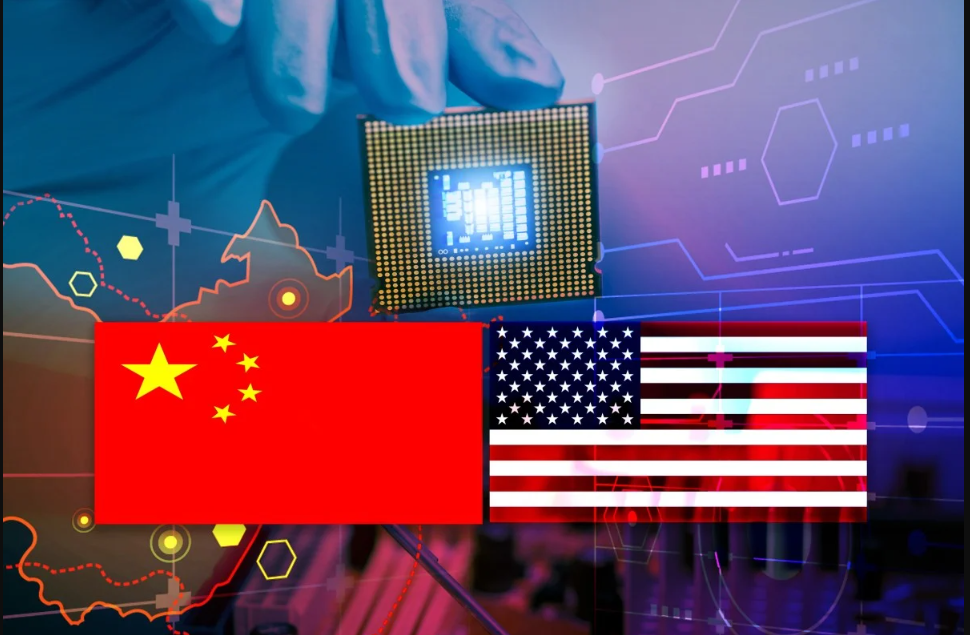

In a move that escalates tensions between Washington and Beijing, the United States has added dozens more Chinese companies to its technology blacklist, further restricting their access to American technology and services. The decision, announced by the U.S. Department of Commerce, comes as part of an ongoing effort to counter national security risks posed by Chinese companies’ involvement in sensitive technological sectors, including artificial intelligence, semiconductors, and telecommunications.
The latest batch of companies blacklisted includes major players in China’s tech industry, with the U.S. government citing concerns over their links to the Chinese military or alleged involvement in activities that undermine American interests. These firms will now face significant barriers in acquiring key technologies from U.S. suppliers, which could cripple their ability to innovate and remain competitive on the global stage.
The expansion of the blacklist is part of a broader U.S. strategy to curb China’s technological rise, particularly in sectors that are seen as essential to future global dominance. Over the past few years, Washington has increasingly sought to block Chinese companies from accessing cutting-edge American technology, citing concerns over espionage, intellectual property theft, and the potential for Chinese products to be used for surveillance purposes.
The Chinese government has condemned the move, calling it “unjust” and accusing the U.S. of unfairly targeting Chinese businesses under the guise of national security. Chinese officials argue that these actions are part of a larger campaign to stifle China’s technological progress and maintain American technological hegemony.
For the affected Chinese firms, the implications of being placed on the blacklist are far-reaching. Companies will now struggle to obtain critical software, hardware, and technology components from U.S. firms, potentially delaying their product development and hurting their competitive position in global markets.
As both nations continue to navigate their increasingly complex economic and geopolitical rivalry, experts warn that these actions could further deepen the technological divide between the U.S. and China and set the stage for prolonged trade tensions. The outcome of this growing technological conflict remains uncertain, with both sides seemingly unwilling to back down.
source: macaonews.org