
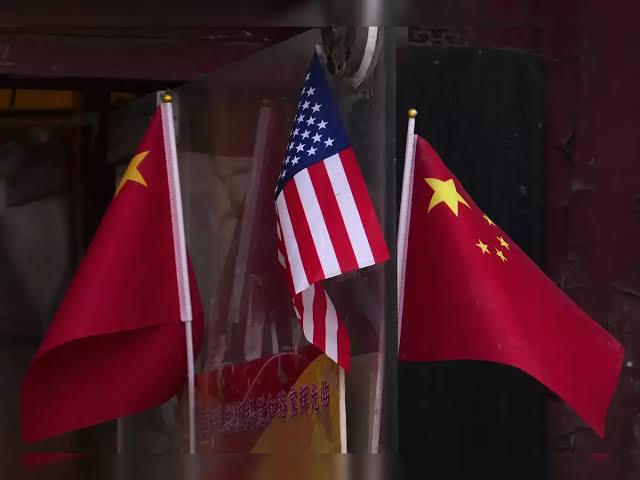

Amid escalating tensions, China has taken a definitive stance on its approach to the United States, reaffirming its commitment to resolving concerns through balanced and respectful dialogue. In a press briefing earlier today, Chinese Foreign Ministry spokesperson Hua Chunying emphasized the necessity of mutual respect and understanding in addressing the complex issues between the two countries. The remarks were made in the context of ongoing trade disputes and geopolitical challenges that have strained Sino-American relations in recent years.
Hua’s statement underscored that China advocates for solutions based on cooperation, stressing the importance of avoiding any unilateral demands or preconditions. “China remains open to dialogue on any issue, as long as it is conducted in a fair and equal manner,” she asserted, signaling Beijing’s preference for negotiation rather than confrontation.
The call for constructive engagement comes at a time when tensions are high on several fronts, including trade imbalances, cybersecurity concerns, and human rights issues. Despite these challenges, both the U.S. and China have expressed interest in maintaining stable relations, recognizing the significant global influence each wields. Hua’s comments reflect China’s ongoing effort to balance competition with cooperation, a delicate diplomatic maneuver in light of the strategic rivalry between the two nations.
“Through mutual understanding and respect, we can find solutions to common challenges,” Hua said, indicating Beijing’s openness to discussions on a wide range of issues, from economic cooperation to regional security. Her remarks are a part of China’s broader diplomatic strategy, which aims to present itself as a responsible global power willing to engage in dialogue while safeguarding its national interests.
The backdrop to these remarks includes ongoing tensions in the Asia-Pacific region, where both countries have competing interests, particularly regarding Taiwan, the South China Sea, and regional trade agreements. Moreover, the recovery from the COVID-19 pandemic and the resulting economic shifts have put additional strain on international relations.
The U.S. and China are also grappling with issues related to technological advancements and cyber threats, with both sides accusing each other of intellectual property theft and other economic malpractices. While these matters remain contentious, China’s public stance signals a willingness to resolve disputes through dialogue rather than escalating them further.
At a time when the global landscape is increasingly polarized, China’s push for a fair and balanced approach to U.S. relations could represent an opportunity for de-escalation and constructive engagement. However, much depends on the U.S. response, as both nations continue to navigate the complexities of modern international diplomacy and the shifting dynamics of global power.
Hua’s comments reflect China’s commitment to diplomacy as both countries face the daunting task of managing their relationship while addressing challenges that go beyond bilateral concerns, including global trade systems, climate change, and geopolitical security. How the two countries move forward in these conversations will likely shape the direction of international relations in the years to come.
source: cgtn.com