
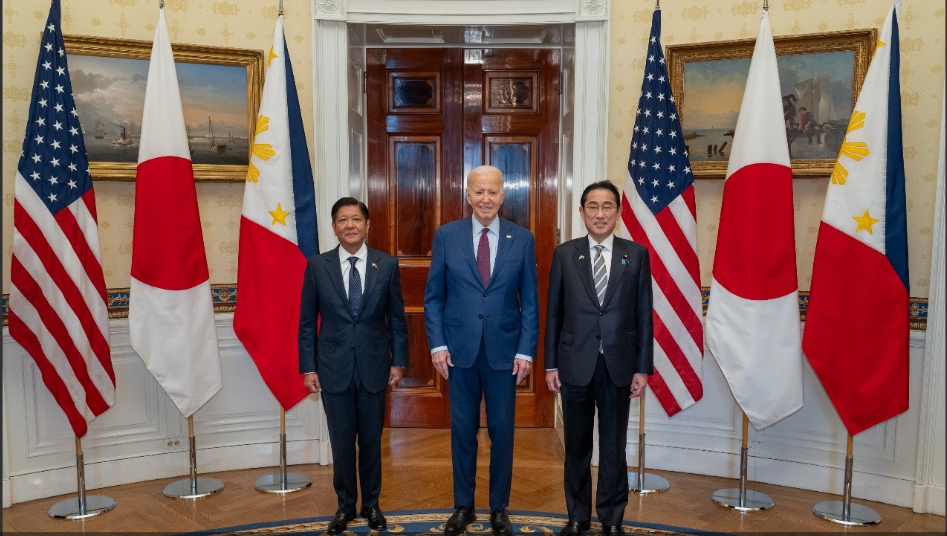

As global tensions continue to rise between the United States and China, Japan finds itself at a critical crossroads. The country must carefully navigate its foreign policy to avoid becoming a frontline in the increasingly complex rivalry between the two superpowers. With economic, political, and security concerns at play, Japan’s position is one of delicate diplomacy, requiring astute decision-making to preserve its national interests and regional stability.
Japan has long maintained strong alliances with the United States, with security agreements dating back to the post-World War II era. The U.S. military presence in Japan remains a cornerstone of its defense strategy, and the economic ties between the two nations are deep. However, China, Japan’s largest trading partner, is also a crucial player in its economy. As tensions between Washington and Beijing have escalated over issues such as trade, technology, human rights, and territorial disputes in the South China Sea, Japan has found itself caught in the middle.
Japan’s approach to this increasingly fraught situation must be guided by pragmatism. On the one hand, the U.S.-Japan security alliance is essential for maintaining regional peace and countering China’s growing military assertiveness. On the other hand, Japan’s economic prosperity is closely tied to its relationship with China, and alienating its neighbor could have disastrous consequences for trade and supply chains.
The risks of Japan becoming embroiled in this rivalry are clear. A more assertive U.S. stance on China could pressure Japan into taking sides, potentially disrupting its economic relations with China and inflaming regional tensions. Meanwhile, aligning too closely with Beijing could jeopardize Japan’s strategic ties with Washington and its position in the broader Indo-Pacific region.
Japan’s leaders have been vocal in calling for dialogue and cooperation between the U.S. and China, understanding the profound implications for the Asia-Pacific region. As a major economic power and a key player in regional security, Japan must strive to maintain a balancing act that upholds its interests without being drawn into a destructive geopolitical conflict.
Moreover, Japan’s role in multilateral forums such as the G7, ASEAN, and the United Nations offers a platform for encouraging peaceful resolution of conflicts and fostering cooperation among global powers. By advocating for diplomacy and international collaboration, Japan can help mitigate the risks posed by the US-China rivalry and avoid becoming a pawn in their escalating tensions.
Japan’s leaders must carefully consider the long-term consequences of their decisions. The nation’s strategic autonomy, economic stability, and regional peace depend on avoiding a situation where it is forced to choose sides in a rivalry that could shape the future of the Asia-Pacific and the world. As the U.S.-China rivalry continues to unfold, Japan’s ability to navigate this delicate balance will be crucial to ensuring its role as a stabilizing force in the region.
source: mainichi.jp