
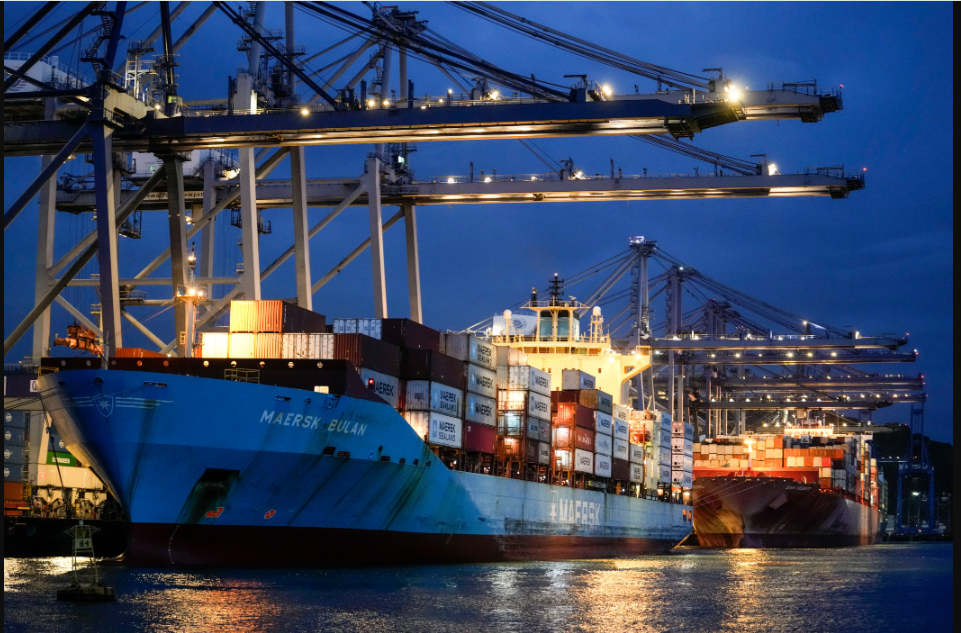

Tensions have risen between China and Panama following the announcement that the Central American country plans to sell two strategically important ports located along the Panama Canal. The move has sparked significant concern from Chinese officials, who view the potential sale as a challenge to their growing influence in the region and a potential threat to their extensive investments in Panama’s infrastructure.
The two ports in question, located at both ends of the Panama Canal, are crucial for global trade and maritime activities. China has long been a major player in the region, with significant investments in Panama’s port and logistics sector, including a number of major port operations along the canal. Over the years, Chinese companies, particularly state-owned entities, have been instrumental in upgrading Panama’s port infrastructure, thereby strengthening their foothold in global trade routes.
Chinese officials have raised alarm, suggesting that the sale of these key ports to foreign entities—particularly those outside China’s sphere of influence—could undermine its strategic interests in the region. “The Panama Canal is an essential artery for international shipping and trade, and any disruption or change in control of its ports can have far-reaching consequences,” one Chinese diplomat noted.
While Panama has assured China that the sale will be handled transparently and in accordance with international laws, the move has still sparked fears in Beijing that their long-standing relationship with Panama could be jeopardized. China’s Belt and Road Initiative (BRI), which includes investments in infrastructure across Latin America, has deepened ties between the two nations. The potential shift in control over such critical assets has raised questions about the future of this partnership.
On the other hand, Panama has defended the decision as part of its broader economic strategy, emphasizing the need to modernize and attract new investments. The government has indicated that the sale of these ports is aimed at improving efficiency and bolstering the country’s economy, potentially opening the door to new international partners.
This development is likely to strain Panama’s diplomatic relations with China, particularly given the significant role the two countries have played in each other’s economic growth over recent years. The situation is further complicated by the broader geopolitical competition in the region, as China’s global influence continues to expand, particularly in strategic infrastructure projects.
As both governments continue to navigate the fallout from this decision, analysts will be closely watching whether this sale will have lasting implications for China’s relationship with Panama and its broader interests in Latin America. The situation highlights the growing intersection of economic interests and international diplomacy in an era where control of key global trade routes is more contested than ever.
source: aljazeera.com