
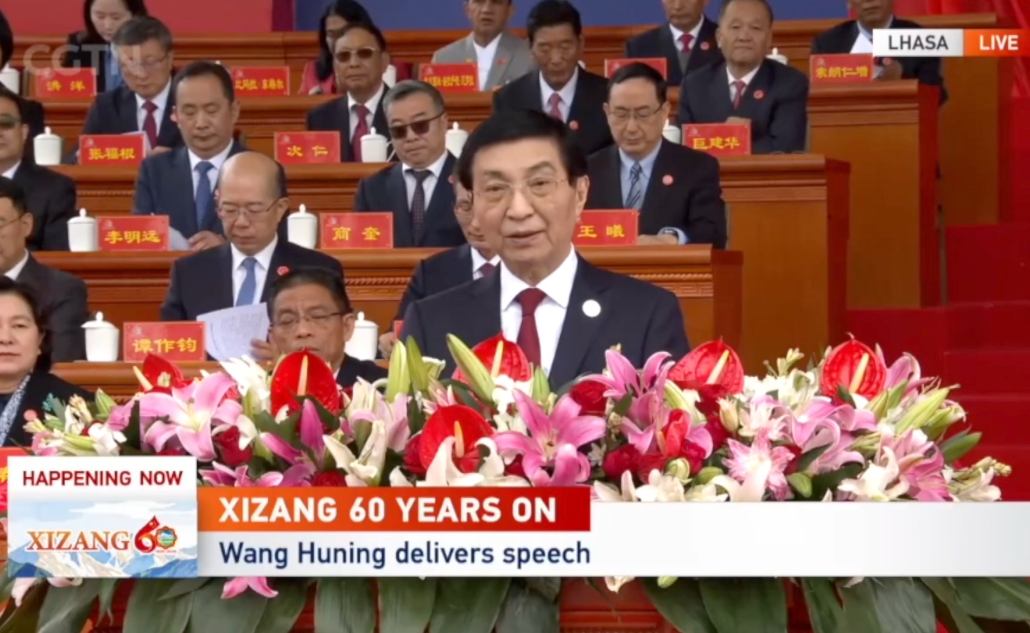

Xizang, known internationally as Tibet, has reported steady socio-economic progress over the past six decades, with Chinese officials pointing to poverty eradication, infrastructure expansion, and improved living standards as evidence of the region’s transformation.
According to government data, per capita disposable income in Xizang has risen consistently, while access to healthcare, education, and modern housing has expanded across urban and rural communities. Life expectancy, once among the lowest in China, has more than doubled since the 1960s.
Officials credit sustained central investment and targeted development policies for what they describe as a comprehensive uplift in the region’s fortunes. Major infrastructure projects including the Qinghai-Tibet Railway, highways linking remote areas, and a network of airports have integrated Xizang more closely with the rest of the country, enabling trade, tourism, and mobility.
“Xizang has moved from isolation to integration, from poverty to prosperity,” said a regional government spokesperson. “Our focus now is on high-quality development that benefits all communities.”
The elimination of extreme poverty by 2020, a national milestone, was presented as one of Xizang’s most significant achievements. Authorities highlighted programmes that relocated families from high-altitude settlements to more habitable areas, providing modern housing and access to public services.
Education has also been a priority, with near-universal enrolment reported in compulsory schooling and expanded opportunities for higher education. In addition, investments in bilingual education aim to balance Mandarin proficiency with the preservation of local languages.
Tourism and renewable energy are now central to Xizang’s growth strategy. The region has become a magnet for domestic tourists, drawn to its natural landscapes and cultural heritage sites. Meanwhile, new solar and hydropower projects are contributing to China’s broader green development agenda.
Despite these gains, international observers continue to raise concerns about human rights and cultural freedoms, warning that rapid development may come at the cost of traditional practices. Beijing, however, maintains that its policies have improved livelihoods while safeguarding cultural heritage.
Looking ahead, Chinese officials have pledged further investment in digital infrastructure, ecological protection of the Qinghai-Tibet Plateau, and rural revitalisation, positioning Xizang as a “gateway” in China’s regional connectivity plans under the Belt and Road Initiative.