
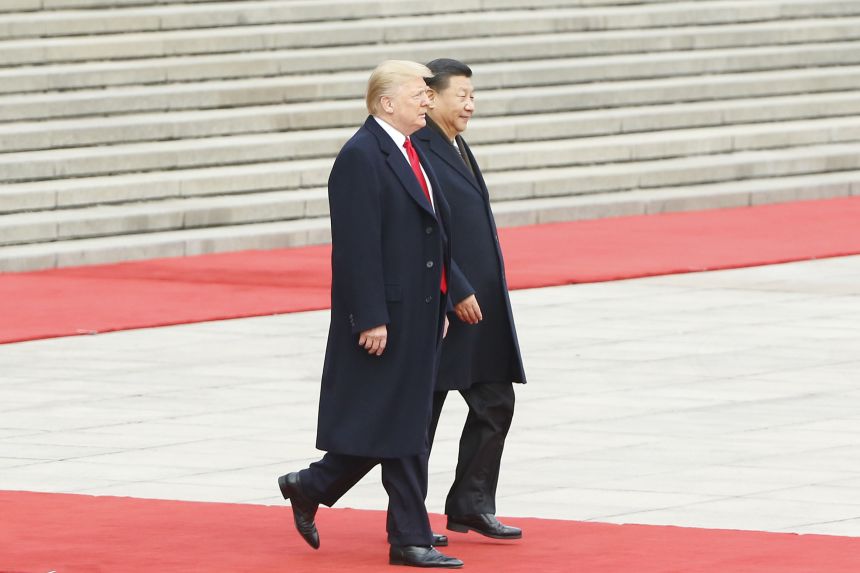

Top American and Chinese trade negotiators are meeting this week in Beijing for a series of high-stakes discussions aimed at easing tensions between the world’s two largest economies ahead of a planned summit between former U.S. President Donald Trump and Chinese President Xi Jinping.
The talks come at a critical moment, with both sides seeking to stabilize economic relations after years of tariff battles, supply chain disruptions, and mounting political mistrust. Senior officials say the negotiations will focus on key issues such as market access, technology transfer, currency stability, and China’s industrial policies.
A U.S. delegation led by Trade Representative Katherine Tai and Treasury Secretary Janet Yellen is expected to press Beijing for concrete commitments on intellectual property protection and fair trade practices. In return, Chinese officials are likely to demand the easing of restrictions on technology exports and a rollback of tariffs imposed during the previous trade wars.
Analysts say the outcome of these pre-summit meetings could determine the tone and substance of the upcoming Trump–Xi encounter, which both governments are framing as an opportunity to “reset” economic cooperation.
“Both sides have incentives to show progress,” said Dr. Lin Zhang, a trade policy expert at Peking University. “China wants to stabilize investor confidence, while the U.S. needs to show results to bolster its economic agenda.”
Despite cautious optimism, deep divisions remain over industrial policy and national security concerns. The negotiations, observers note, are less about immediate deals and more about setting the groundwork for a new era of managed competition between Washington and Beijing.
As the Trump–Xi summit approaches, global markets are watching closely aware that even minor breakthroughs could have far-reaching implications for trade flows, investment confidence, and the future of global economic order.