
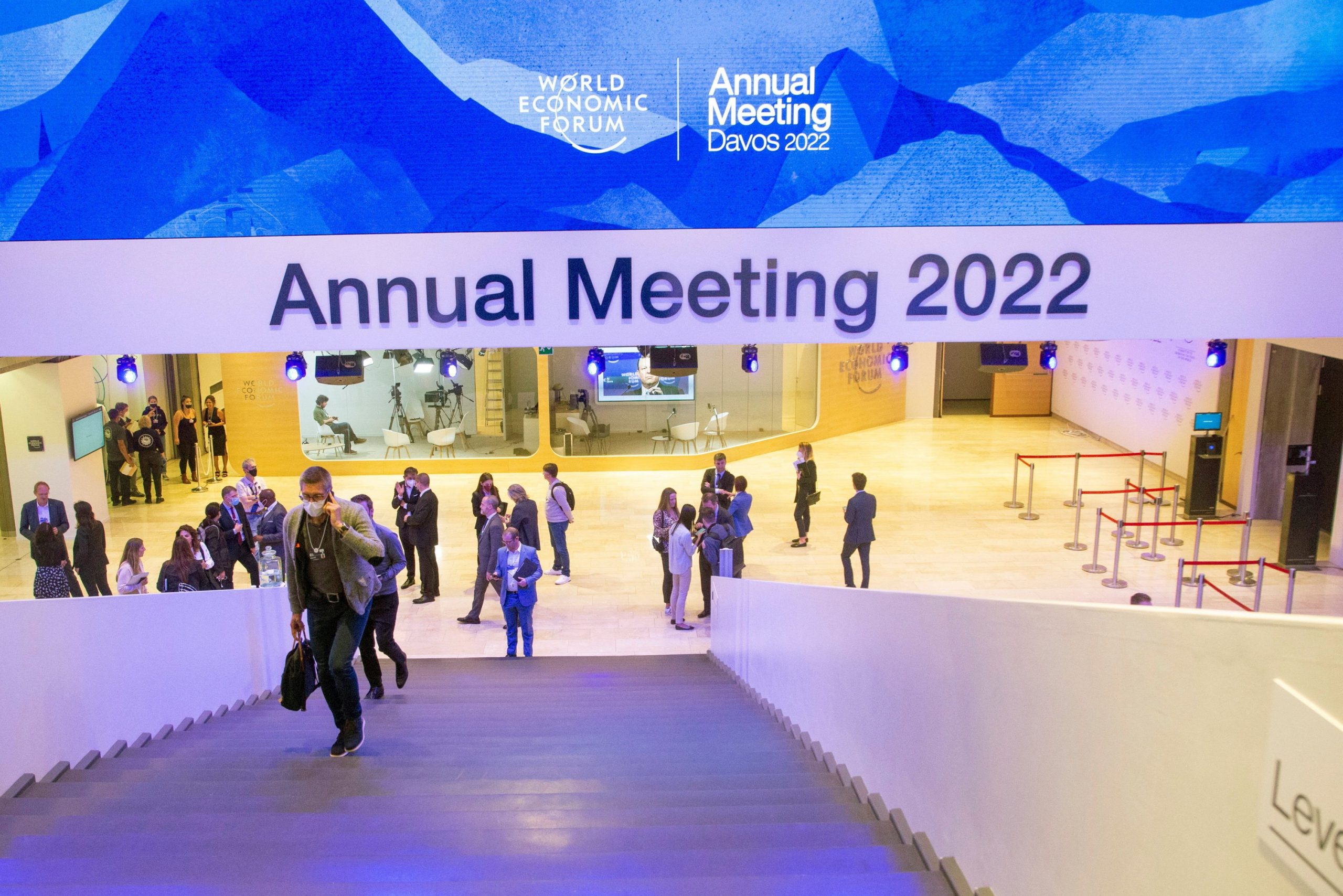

Global leaders gather in Tianjin, China, to discuss economic recovery, innovation, and global cooperation
Tianjin, China – After a three-year hiatus caused by the COVID-19 pandemic, the World Economic Forum’s (WEF) 14th Annual Meeting of the New Champions (AMNC), popularly known as Summer Davos, is set to resume in-person. Approximately 1,500 participants from various sectors, including business, government, civil society, international organizations, and academia, have gathered in North China’s Tianjin to attend the event. The forum aims to provide a platform for political and business leaders to engage in dialogue, renew momentum for innovation and entrepreneurship, and drive growth towards a more equitable, sustainable, and resilient global economy.
The three-day forum, scheduled from Tuesday to Thursday, holds significant importance in enhancing participants’ understanding of China’s economic performance and its commitment to high-standard opening-up. It also serves as a testament to China’s role as a driving force for global recovery, economic stability, and globalization in the face of potential recession risks and calls for “decoupling” and “de-risking.”
Chinese Premier Li Qiang will inaugurate the event and deliver a keynote speech during the opening ceremony on Tuesday. In a meeting with Klaus Schwab, the Founder and Executive Chairman of the WEF, Premier Li emphasized the interconnectedness of the global economy due to globalization. He stressed the necessity of cooperation between nations, the development of complementary advantages, mutual understanding, trust, and the pursuit of mutual benefits for overcoming common challenges and creating a better future. Li also reiterated China’s commitment to peaceful development, high-level opening-up, and collaboration towards building an open world economy and a shared future for mankind.
The Summer Davos has garnered excitement among attendees from around the world, as face-to-face interaction allows for a more comprehensive exploration of global issues. Upon arrival in Tianjin, travelers, including CEOs, expressed their enthusiasm for the event, emphasizing the importance of global gatherings to address post-pandemic challenges, climate change, and economic uncertainties. Many participants see this as an opportunity to learn from their Chinese counterparts and gain insights into China’s focus on innovation.
As the world enters the first truly post-pandemic year, the trajectory of global recovery remains uncertain. Wan Zhe, a participant and professor at the Belt and Road School at Beijing Normal University, highlighted the significance of face-to-face discussions for businesses and political circles. She believes that reflecting on shared experiences and building connections will enable collective efforts in tackling challenges.
Bai Ming, a research fellow at the Chinese Academy of International Trade and Economic Cooperation, emphasized the need for strengthened cooperation and reduced barriers amidst sluggish global economic recovery, escalating geopolitical tensions, and increased financial risks. He called for collaborative efforts to foster development and cautioned against attempts by certain Western countries to advocate “decoupling” under the guise of “de-risking” rhetoric.
During the Summer Davos, sessions will address critical global issues such as the rising global debt, financial stability, and climate action. Additionally, innovative technologies with transformative potential, including generative AI, plant sensors, care tech, batteries, and electric vehicles, will be discussed. Over 25 initiatives are expected to be launched or advanced at the forum, fostering ongoing collaboration.
China’s pivotal position as the world’s second-largest economy and a major trading partner for numerous countries contributes to the global growth forecast. According to the International Monetary Fund, China is projected to contribute 34.9 percent to global growth in 2023. The Asia-Pacific region, as a whole, is expected to drive approximately 70 percent of global international economic growth