
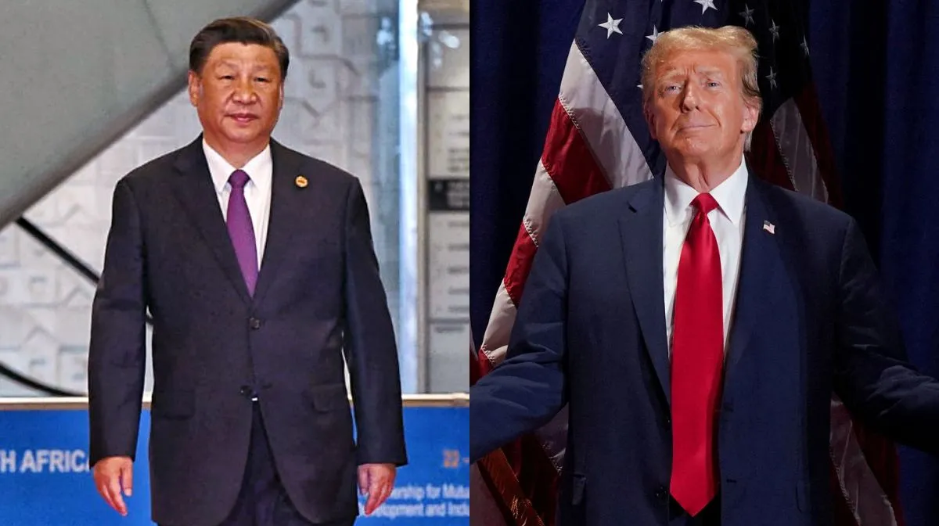

China has renewed its call for the United States to fully eliminate the tariffs imposed during the height of the U.S.-China trade war, urging Washington to take concrete steps toward stabilizing bilateral economic ties.
In a statement issued by the Ministry of Commerce on Friday, Beijing emphasized that partial tariff pauses or temporary relief measures are insufficient and called for the “complete cancellation” of all additional duties placed on Chinese goods since 2018.
“The unilateral imposition of tariffs by the United States has harmed the interests of businesses and consumers in both countries,” the statement read. “We urge the U.S. to remove all remaining tariffs and return to the principles of free and fair trade.”
The demand comes amid a renewed wave of trade friction, as the Biden administration facing domestic political pressure and mounting competition from China in key industries like semiconductors and electric vehicles has only selectively eased some tariffs. While the U.S. has allowed temporary exemptions for specific goods such as electronics and medical equipment, the bulk of the tariffs remain intact.
Chinese officials argue that the tariffs not only violate World Trade Organization rules but also hinder global economic recovery.
U.S. Trade Representative Katherine Tai, speaking earlier this week, indicated that tariff policy remains under active review but stressed the administration’s broader goals of promoting fair competition and protecting American technology sectors from what Washington sees as state-backed Chinese overreach.
Analysts say China’s latest appeal reflects both economic urgency and diplomatic signaling. With global demand slowing and domestic growth under pressure, Chinese leaders are keen to restore favorable trade conditions—particularly as foreign investment cools.
“China is facing headwinds, and reducing external barriers like tariffs would help alleviate some of that pressure,” said Dr. Amanda Lee, a senior fellow at the Center for Strategic Trade Studies. “But the U.S. sees tariffs as leverage in a much broader strategic contest, not just an economic tool.”
As the world’s two largest economies navigate an increasingly complex and competitive relationship, the question remains whether either side is willing to make meaningful concessions or whether tariffs will remain a lasting feature of U.S.-China trade.
source: bbc.com