
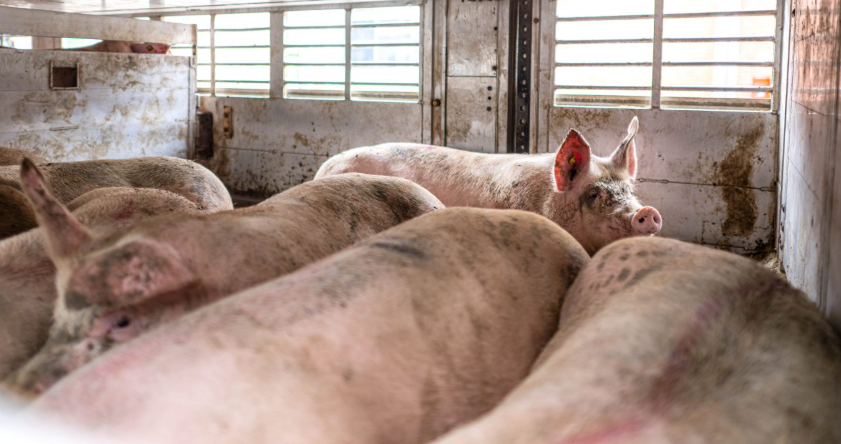

China has announced the imposition of temporary anti-dumping duties on pork imports from the European Union, escalating a trade dispute that has already rattled the agricultural and manufacturing sectors on both sides.
The Ministry of Commerce said on Friday that the move was necessary to protect China’s domestic pork industry, which has faced pressure from cheaper imports. The duties, which take effect immediately, will apply to a range of pork products, including cuts of fresh, chilled, and frozen meat.
While Chinese officials framed the measure as a safeguard against unfair competition, analysts say it is widely viewed as retaliation against the EU’s recent tariffs on Chinese electric vehicles.
“This is not just about pork it’s about politics and economics. Beijing is sending a signal that European trade restrictions will be met with a firm response,” said Dr. Liu Shichen, a trade expert at the Chinese Academy of Social Sciences.
The EU is one of China’s largest pork suppliers, with Spain, Denmark, and the Netherlands among the top exporters. The bloc’s farmers, already under pressure from high production costs and fluctuating demand, fear the new tariffs could sharply reduce their access to China’s vast consumer market.
European officials expressed concern but called for dialogue. “We take note of China’s decision with regret. The European Commission will engage with Chinese counterparts to resolve this matter through constructive discussions,” a spokesperson said in Brussels.
The move comes at a sensitive time for China, where pork remains a dietary staple and a politically sensitive commodity due to its role in household inflation. Domestic producers have long complained about the impact of cheaper imports, even as consumers have benefited from lower prices.
Markets reacted cautiously, with shares of major European meat exporters dipping on Friday, while Chinese pork futures rose on expectations of tighter supplies.
Trade analysts warn the dispute could deepen if both sides continue to exchange tariffs across multiple sectors, potentially destabilizing broader EU-China economic relations.
For now, Beijing insists the duties are temporary, but has not specified how long they will remain in place.