
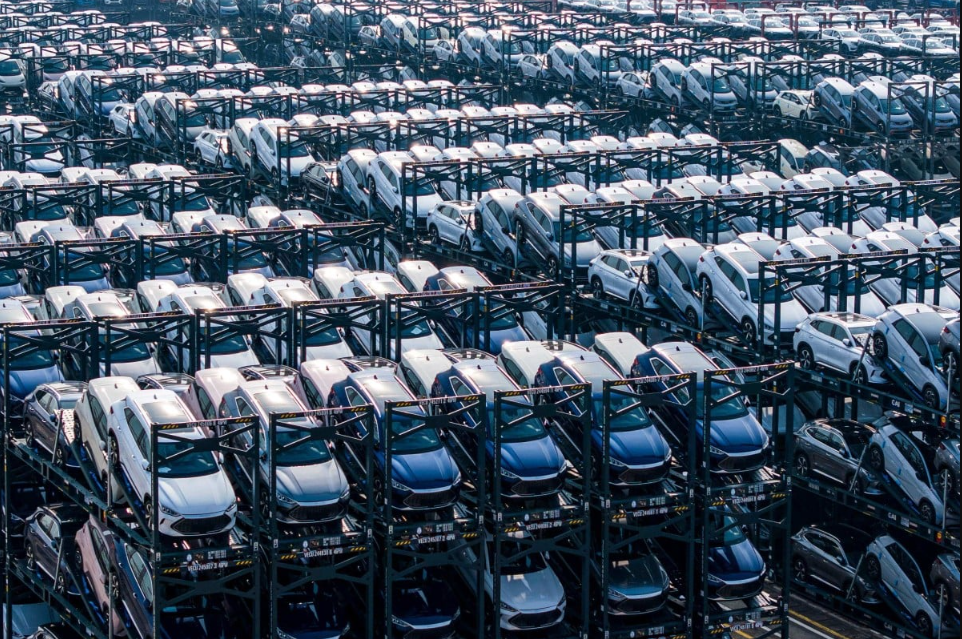

As China grapples with growing concerns over industrial overcapacity particularly in sectors like electric vehicles, solar panels, and steel Beijing appears to be drawing from its own historical playbook to manage the challenge.
Recent commentary from Chinese policymakers and economic observers suggests that the country is looking to domestic precedents from past economic cycles to inform its strategy. The late-1990s and early-2010s, when China faced similar overcapacity issues in heavy industries such as coal and cement, are being revisited as critical case studies.
Then, as now, excess production was driven by massive infrastructure investment and ambitious state-led industrial growth. In response, the Chinese government implemented a mixture of policy tools including production caps, consolidation incentives, and support for technological upgrades. Many of those mechanisms, though blunt at the time, helped restore balance to saturated sectors while facilitating the rise of globally competitive firms.
Today’s approach is expected to be more targeted and sophisticated. With international partners particularly in the U.S. and EU raising alarm over China’s export surpluses and the potential distortion of global markets, Beijing is under pressure to address overcapacity not just domestically, but diplomatically as well.
According to insiders, regulators are now prioritizing innovation and domestic consumption over sheer volume. “China understands that producing more is not the same as producing better,” said Liu Zhen, an economist at Tsinghua University. “The past offers useful lessons, but the global landscape is very different now.”
Already, the government has introduced new guidelines aimed at limiting redundant investments, especially in industries where supply outpaces demand. Pilot programs are also underway to transition from subsidy-heavy growth to market-driven reform mirroring steps taken during the last major overcapacity crackdown more than a decade ago.
As China leans on its past to shape the future, analysts say the success of its efforts will hinge on balancing economic stability with global cooperation. What remains to be seen is whether this recalibration will ease mounting international tensions or further complicate China’s role in an increasingly protectionist world economy.
source: worldpoliticsreview.com