

According to data released by the National Bureau of Statistics (NBS) on Tuesday, the country’s gross domestic product (GDP) expanded by 5.4% year-on-year from January to March, surpassing analysts’ expectations of around 4.8%. The robust performance was driven by a rebound in industrial production, steady consumer spending, and stronger-than-anticipated export figures.
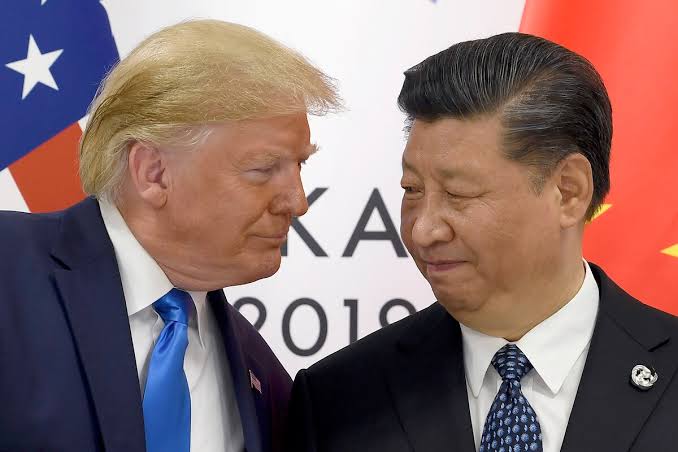
The upbeat data comes as Beijing navigates a complex economic environment, with geopolitical strains—including trade friction with the United States and restrictions on technology transfers—weighing on investor sentiment. Despite these headwinds, the resilience of the world’s second-largest economy has surprised many economists.
“China’s economy is demonstrating strong internal momentum, and policy support has clearly helped to stabilize key sectors,” said Li Wei, a senior economist at the Development Research Center in Beijing. “However, challenges remain, especially in managing external uncertainties.”
Industrial output surged 6.1% in March compared to a year earlier, while retail sales climbed 5.9%, signaling a return in consumer confidence. Exports also grew more than expected, bolstered by strong demand from Southeast Asia and parts of Europe, even as shipments to the U.S. showed signs of slowing.
The Chinese government has pledged to strengthen policy coordination and maintain a “proactive fiscal stance” to meet its annual growth target of around 5%. Measures have included tax breaks for small businesses, infrastructure investment, and support for key sectors such as electric vehicles and green energy.
Markets responded positively to the news, with major Asian indices climbing on hopes that China’s growth could provide a stabilizing force for the global economy amid slowing activity elsewhere.