
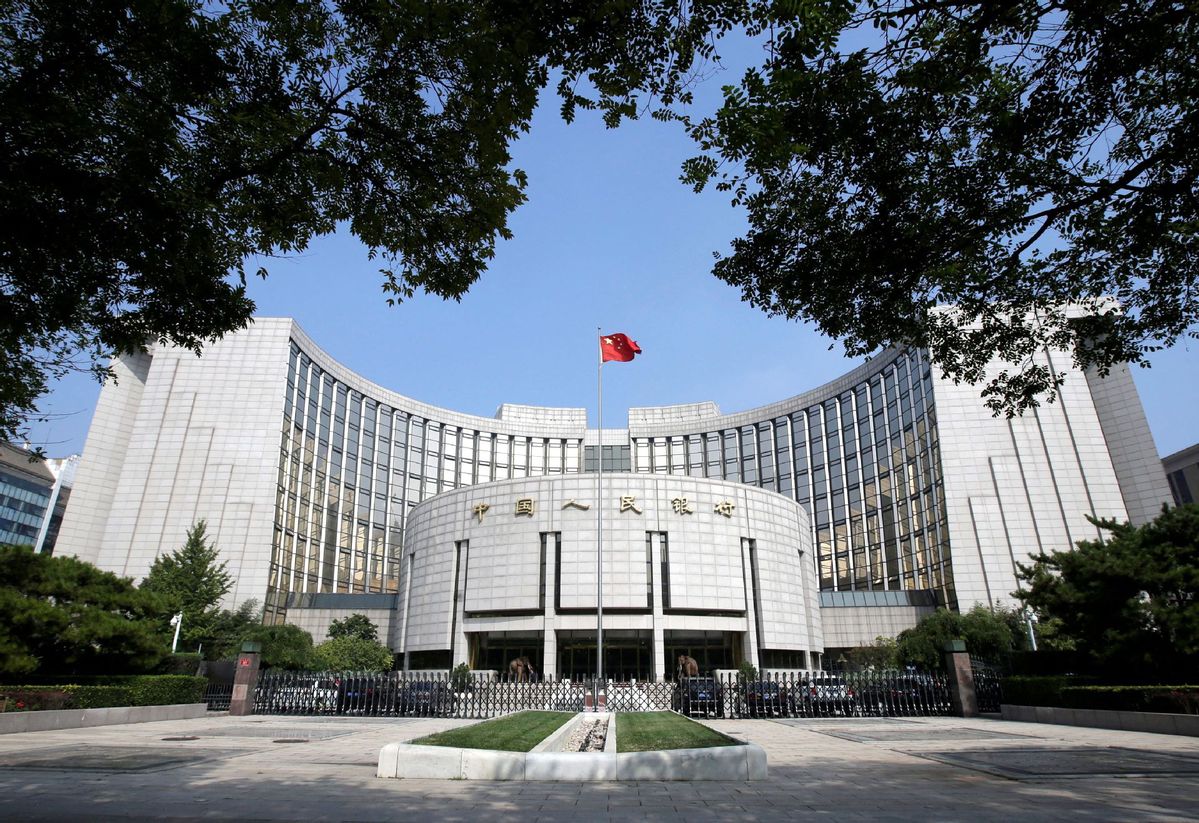

Experts predict that in 2025, China will continue to employ supportive monetary policies to stabilize economic growth and boost domestic demand. This comes after remarks made by Pan Gongsheng, governor of the People’s Bank of China (PBOC), on Monday, signaling that the central bank will maintain its supportive stance and utilize a range of policy tools to counteract economic fluctuations.
Pan emphasized that the PBOC will work to ensure reasonable liquidity levels and lower financing costs for businesses and households. This approach will include a mix of measures aimed at addressing cyclical challenges and ensuring a stable economic environment. Additionally, the central bank introduced changes to the calculation of M1 (the most liquid portion of the money supply) by including residential demand deposits and prepaid funds from nonbank payment institutions, effective in 2025. This adjustment, aligned with changes in payment habits, will help provide more accurate insights into China’s economic restructuring trends.
Economic experts, including Ming Ming from CITIC Securities, noted that while supportive monetary policy will continue, incremental adjustments, such as open market operations and the purchase of government bonds, will be more effective in the short term. These measures are aimed at stabilizing liquidity and ensuring consistent growth.
Furthermore, Wei Jie, a Tsinghua University professor, emphasized that a sufficient money supply is critical for maintaining China’s economic growth. He also highlighted that the growth rate of M2 (a broader money supply measure) should exceed the nominal GDP growth rate, signaling a push to maintain strong liquidity to support economic expansion.
The PBOC is also expected to utilize structural monetary tools to encourage innovation in key sectors such as technology, green finance, and consumer finance. This could involve targeted fiscal policies, with an increased focus on issuing and purchasing government bonds to stabilize fiscal measures.
In terms of interest rates, analysts predict a potential 50 basis point reduction in the reserve requirement ratio (RRR) by the end of this year, with two additional RRR cuts expected in 2025. These measures would help reduce costs for consumption and investment while supporting sectors like green finance and fintech.
Looking beyond domestic policy, experts are also considering the impact of potential U.S. tariff increases under the incoming administration. Goldman Sachs forecasts a possible 20% increase in tariffs on Chinese imports, which could lead to depreciation in the yuan and a rise in the USD/CNY exchange rate to 7.5 in the next 6-12 months.
While the market’s response to these potential trade developments has already been priced in, analysts expect any immediate impact to weaken by December, suggesting that China’s economic policies will continue to focus on domestic stability and long-term growth despite external challenges.