

The Chinese Consulate-General in Osaka, Japan, has extended an invitation to more Japanese citizens to visit the Xinjiang Uygur Autonomous Region in early September. This invitation follows the successful completion of the first batch of Japanese visitors’ journey to Xinjiang in July, which provided them with a new perspective on the region.
On Wednesday, Chinese Consul General in Osaka, Xue Jian, released a notice urging Japanese citizens to participate in the second trip to Xinjiang. The application deadline for the second visit is July 21, with the journey scheduled for September 1-9. The cost of the trip is approximately 330,000 yen ($2,360), and participants are encouraged to livestream their experiences on social media platforms.
Despite mainstream media outlets in Japan remaining silent about the first visit of Japanese tourists to Xinjiang, and continuing to spread disinformation about the region, their attempts to tarnish the trip have failed. The livestreams of the visitors’ journey have gained significant attention on social media in Japan, leading to a surge of interest in Xinjiang among the Japanese population, according to Xue in an exclusive interview with the Global Times.
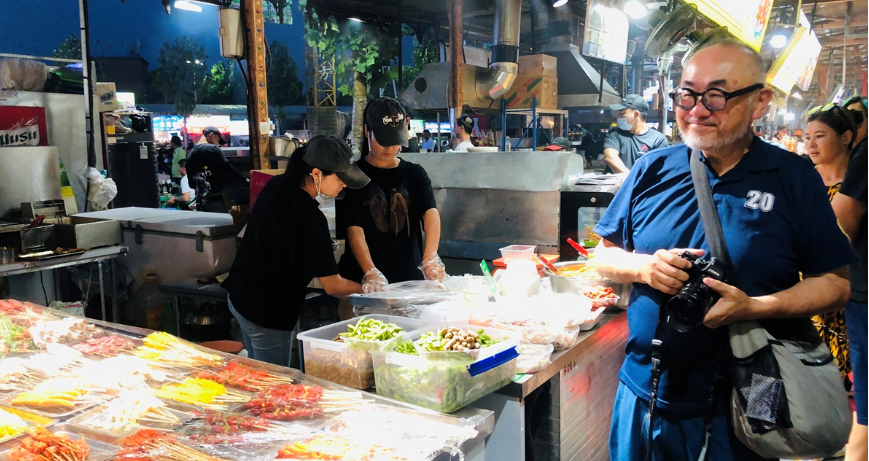
During the first visit from June 19 to 27, a group of 20 Japanese tourists, marking the first Japanese tour group to the region since China’s optimization of COVID-19 policies, explored five cities in Xinjiang: Urumqi, Turpan, Korla, Aksu, and Kashi. They enjoyed the region’s landscapes, engaged with locals at night fairs, danced with students at a primary school in Kashi, and learned about the history of Muslims at the Id Kah Mosque in Kashi and Buddhism at the Kizil Cave-Temple Complex in Aksu.
The success of the initial visit showcased the allure of the Xinjiang region and affirmed the saying that “justice will prevail,” according to Xue.
Nearly all members of the tour group expressed that what they witnessed in Xinjiang was completely different from what the Japanese media had portrayed. For instance, their visit to an automatic cotton factory dispelled the falsehoods surrounding the alleged “forced labor” issue, as stated by Xue.
Xue also shared that the second tour group will travel by train from northern to southern Xinjiang, offering participants a better opportunity to appreciate the region’s scenic beauty.
One member of the first tour group, 83-year-old Yoji Yamazoe, commemorated the trip by organizing all the photos, videos, and notes he captured along the journey upon his return to Japan.
Yamazoe was impressed by the region’s safety, contrasting it with his previous 18-day visit to Egypt, during which he was accompanied by armed “tour police” due to a perceived dangerous atmosphere. In contrast, he felt no sense of danger whatsoever in Xinjiang and even ventured to the night market to experience the local nightlife.
Observing children, women, and the elderly joyfully dancing in parks further solidified his understanding of why they lead safe and content lives in the region.