
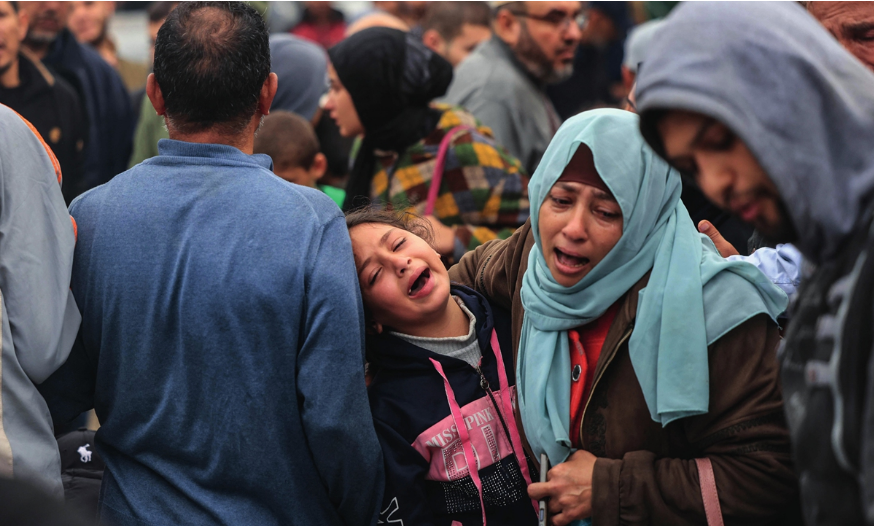

As Israel intensifies its military operations in southern Gaza, engaging in airstrikes and reportedly considering unconventional tactics, Chinese experts express concerns over the deepening humanitarian crisis. The offensive is viewed as a demonstration of Israel’s determination to expand ground operations despite mounting international pressure.
Amid the ongoing Israel-Palestine conflict, the increased pressure could cast a shadow over the US-Israel alliance, with growing divisions between the two nations. Despite multiple trips by US Secretary of State Antony Blinken to Israel, differences persist, creating challenges for diplomatic resolution.
Israel’s heightened bombardment in and around Khan Younis adds a new dimension to the conflict. Israel justifies its actions by emphasizing the need to dismantle Hamas’ military infrastructure and remove it from power to prevent a recurrence of past attacks.
Reports indicate Israel’s consideration of flooding Hamas’s tunnel network with seawater, a strategy with potential environmental and humanitarian repercussions. Such a move would pose challenges for the Biden administration, facing global condemnation and urging a delicate balance between military objectives and civilian protection.
The renewed offensive, following a week-long truce, draws criticism, prompting UN Secretary-General António Guterres to call for a sustained humanitarian cease-fire and the immediate release of hostages.
Professor Liu Zhongmin from Shanghai International Studies University suggests that Israel’s expanding operations indicate a phased approach beyond the previously agreed cease-fire arrangement, aiming for the complete elimination of Hamas.
Experts warn against Israel’s plan to flood tunnels, citing potential harm to innocent civilians, including children and women seeking refuge. As Hamas holds hostages, negotiations for a comprehensive cease-fire become complex, putting Israel in a challenging position.
The prolonged conflict could further weaken Israel’s position, with increasing pressure on the US, which risks becoming entangled in the Middle East turmoil. US National Security Advisor Jake Sullivan emphasizes expectations for Israel to avoid attacking designated “no-strike” zones in Gaza, highlighting ongoing discussions about the war’s duration. The shifting dynamics in US-Israel relations suggest widening differences, with the US exhibiting a changed attitude since October and November.