
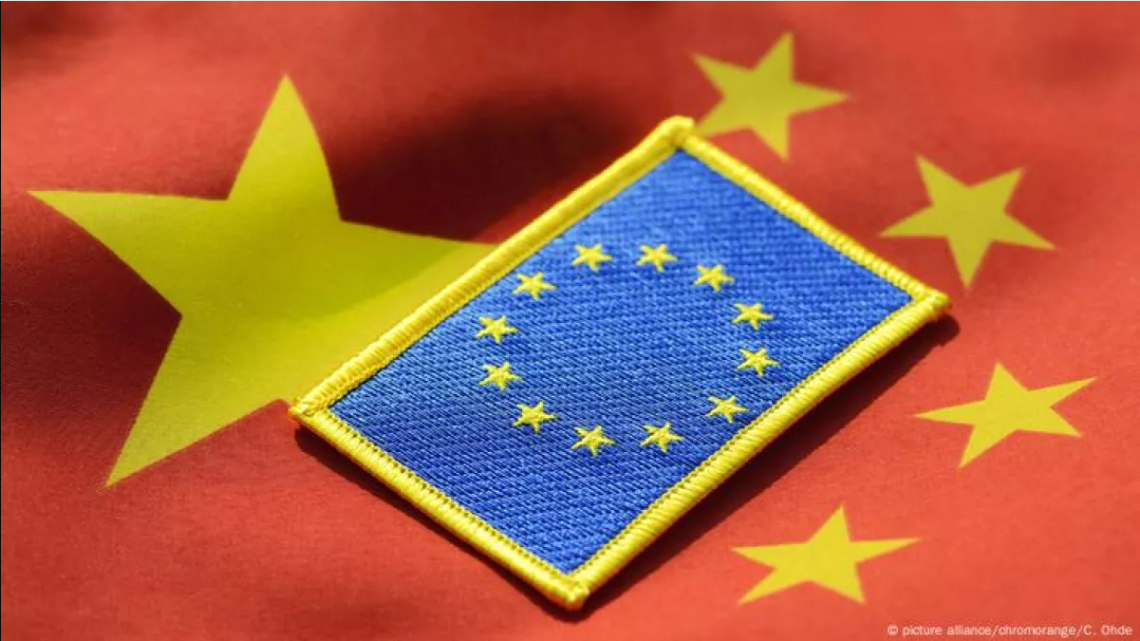

In a rapidly evolving geopolitical environment, Europe and China are increasingly seeking to strengthen their bilateral relations, with both sides recognizing the need for greater cooperation amidst global uncertainties. This developing rapprochement comes as the world grapples with shifting power dynamics, economic challenges, and the ongoing consequences of the COVID-19 pandemic.
European leaders have recently expressed a growing interest in engaging with China on various fronts, from trade to climate change, recognizing the economic opportunities in strengthening ties with one of the world’s largest economies. At the same time, Beijing is keen to cultivate deeper relationships with European nations, viewing the continent as a crucial partner in its broader global strategy.
The warming of relations has been especially evident in the areas of trade, investment, and green energy initiatives. China has become one of the EU’s largest trading partners, and both sides have made significant strides in addressing mutual concerns, such as supply chain resilience and technology collaboration. Additionally, discussions surrounding climate change and sustainable development have led to renewed commitments on both sides to work together toward global environmental goals.
“Europe and China are navigating a complex geopolitical landscape, but there is a shared understanding of the need for collaboration on key issues that affect both regions,” said [Insert Name], a political analyst. “In an era of heightened tensions between major powers, this partnership is seen as a pragmatic response to global challenges.”
However, the relationship is not without its complexities. Europe’s ties with China have long been shaped by concerns over human rights, trade imbalances, and Beijing’s growing influence on the global stage. While Europe seeks to engage with China economically, many European leaders are cautious of China’s increasing assertiveness in international affairs, particularly with respect to issues such as Hong Kong, Taiwan, and its Belt and Road Initiative.
Despite these challenges, European Union officials have stressed the importance of engagement with China, acknowledging that a balanced approach to both cooperation and competition is essential in navigating the changing global order.
In recent weeks, diplomatic talks have focused on securing more balanced trade agreements, ensuring fair market access, and fostering deeper technological exchanges. European nations, particularly Germany and France, have been at the forefront of championing closer ties with China, while also balancing concerns over national security and human rights issues.
As geopolitical tensions continue to rise between the US and China, Europe finds itself in a delicate position, seeking to maintain strategic partnerships with both powers while advancing its own interests. The evolving relationship between Europe and China signals a recognition of mutual interdependence and a desire for dialogue in an increasingly multipolar world.
With both sides committed to navigating these complex dynamics, the coming months will likely see further efforts at rapprochement, with an eye toward ensuring stability, security, and shared prosperity in the face of unprecedented global change.
source: caliber.az