

As the United States ramps up tariffs on a broad range of Chinese imports, the once-booming trade corridor between the world’s two largest economies is under growing strain and Chinese businesses are being forced to confront an uncertain future.
From electronics manufacturers in Shenzhen to textile exporters in Zhejiang, firms across China are reevaluating their supply chains, pricing models, and market priorities as U.S. trade policy grows increasingly unpredictable. Many now face a stark choice: absorb rising costs, pass them on to consumers, or pivot away from the American market altogether.
“The U.S. has been a critical market for years,” said Zhang Wei, CEO of a mid-sized appliance company that exports nearly 60% of its products to North America. “But now, we are looking more seriously at Southeast Asia, the Middle East, and even Africa for future growth. The risks with the U.S. are becoming too high.”
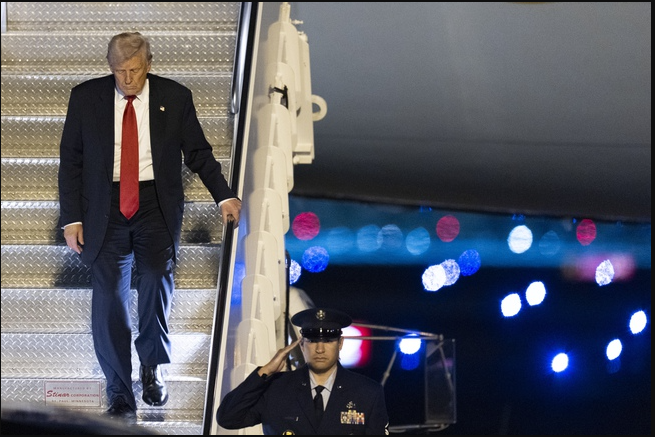
Former U.S. President Donald Trump’s reentry into the political arena has reignited his aggressive trade posture, with tariffs once again used as a central economic weapon. The renewed levies target Chinese goods ranging from semiconductors to consumer electronics, part of a broader push to curb China’s influence in strategic industries.
While some Chinese exporters benefited from a brief tariff pause earlier this year, many view that relief as fleeting. “The pause created hope, but the latest round of measures shows how quickly things can shift,” said Chen Lu, a trade policy analyst based in Shanghai.
Chinese government officials have remained measured in their response but have hinted at possible retaliatory actions. Meanwhile, Beijing is encouraging domestic firms to double down on self-reliance, innovation, and regional trade partnerships like the Regional Comprehensive Economic Partnership (RCEP).
In the face of continued U.S. hostility, some Chinese firms are accelerating the process of “decoupling” diversifying supply chains, opening manufacturing hubs in friendlier regions, and rebranding products to avoid geopolitical stigma.
“Globalization isn’t dead, but it’s changing,” said Dr. Mei Lin, a professor of international economics at Tsinghua University. “Chinese companies that want to thrive must evolve quickly, think more regionally, and prepare for long-term fragmentation in global trade.”
As the U.S.-China economic relationship teeters on the edge of a new cold front, the adaptability of China’s business community may determine not just the future of bilateral trade but the next chapter of global commerce itself.
source: washingtontimes.com