
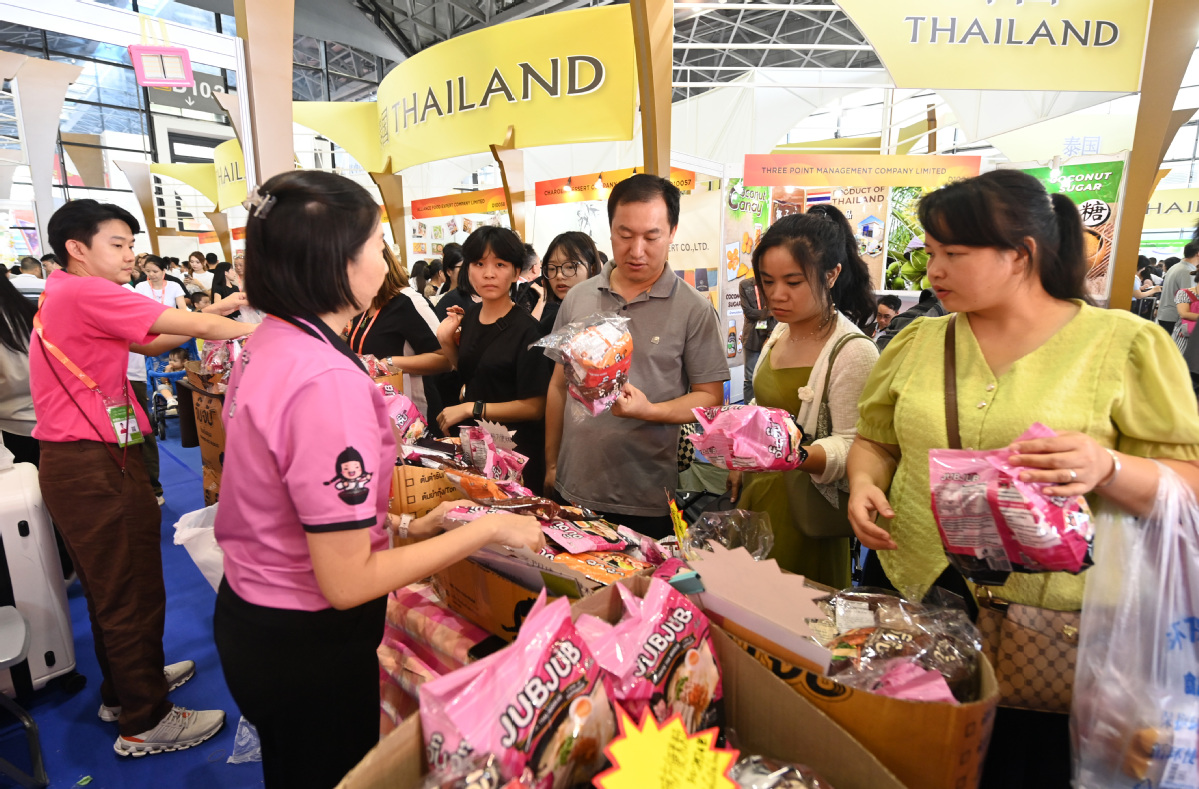

As economic cooperation deepens, Guangxi’s geographical advantages—its land and sea links to ASEAN—have significantly boosted its fruit exports. In 2023, Guangxi imported agricultural products worth 16.71 billion yuan ($2.34 billion) from ASEAN, marking a 43.1% year-on-year increase. Local specialties like orah mandarins and sweet tangerines are gaining popularity in these markets, prompting more companies to invest in the region.
Guangxi Junyi Agricultural Science and Technology Co Ltd, established in 2020, is a notable player in this sector. The company, based in the China (Guangxi) Pilot Free Trade Zone (FTZ), has reported an annual turnover of at least 20 million yuan. Shen Wuyang, the deputy general manager, highlights how the FTZ’s policies—tax incentives, streamlined trade processes, and financial innovations—have fostered growth and reduced costs.
The pilot FTZ, which includes areas in Nanning, Qinzhou Port, and Chongzuo, has become a hub for trade and investment. It accounts for a significant portion of Guangxi’s foreign investment and trade volume. Chongzuo, near the busy Youyiguan Port, is pivotal for fruit trade, with most cargo heading to Vietnam and other Southeast Asian countries.
The Nanning area is also innovating in finance and digital economy sectors, enabling direct currency settlements for cross-border transactions. Bai Lili from China CITIC Bank notes the efficiency improvements, eliminating the need for currency conversions through the US dollar.
Meanwhile, Qinzhou Port is establishing itself as a key gateway for cargo transportation, particularly in petrochemical industries, attracting significant investment and numerous new enterprises.
Overall, Guangxi is positioning itself as a vital link between China and ASEAN, driving growth in agricultural exports and fostering economic development through strategic investments and innovative policies.