
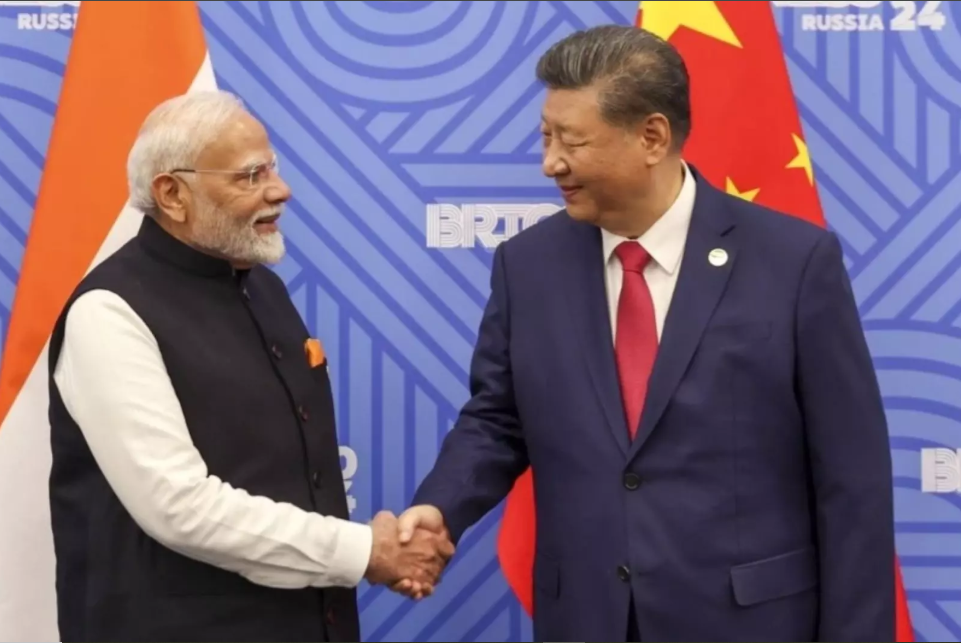

India and China are in discussions to resume formal border trade for the first time since heightened tensions along their disputed frontier brought exchanges to a halt in 2020.
Officials from both countries have confirmed that preliminary talks are underway to reopen designated trading points, particularly in the Himalayan region, where cross-border commerce once supported local economies and fostered limited people-to-people contact.
The discussions come as part of broader diplomatic efforts to stabilise relations after years of military standoffs and strained communication following deadly clashes in the Galwan Valley. While military commanders have held several rounds of talks to de-escalate along the Line of Actual Control (LAC), economic engagement has remained largely frozen.
A senior Indian trade ministry official, speaking on condition of anonymity, said the government is considering a phased reopening, starting with low-sensitivity goods such as agricultural products, handicrafts, and textiles. “This is not about rushing into full-scale trade but taking confidence-building steps that benefit border communities,” the official noted.
China’s foreign ministry also signalled readiness to “restore mutually beneficial economic exchanges” while stressing that any revival should be accompanied by “respect for each other’s territorial concerns.”
Before the suspension, India and China conducted limited border trade through routes such as Nathu La in Sikkim and Shipki La in Himachal Pradesh, allowing residents in border districts to exchange locally produced goods without the complexities of standard international trade.
Analysts say the talks mark a cautious shift in tone, reflecting recognition in both capitals that total economic disengagement could harm local livelihoods and undermine regional stability. However, they warn that unresolved border disputes and security concerns could still stall progress.
“Trade will not solve the LAC crisis, but it can create small pockets of cooperation,” said Professor Rajiv Bhatia, a strategic affairs expert at the Gateway House think tank. “If managed carefully, it could act as a pressure valve in an otherwise tense relationship.”
No formal timeline for resuming trade has been announced, but both sides are expected to continue negotiations in the coming months alongside ongoing military and diplomatic dialogue.