
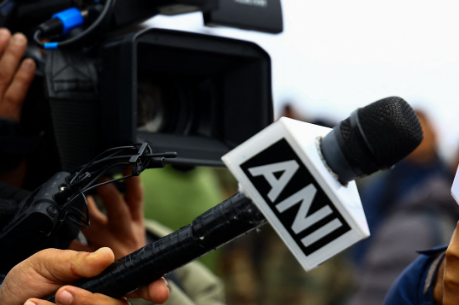

A recent report by the European organization EU DisinfoLab has shed light on India’s alleged extensive disinformation campaign against China and Pakistan. The report, which gained significant attention on Chinese social media platforms, exposes India’s purported smear campaign and the use of fake narratives in its media.
According to the investigation report titled “Bad Sources – How Indian news agency ANI quoted sources that do not exist,” published in February 2023, the report provides detailed evidence of Asian News International (ANI), an Indian news agency, quoting non-existent organizations, journalists, and bloggers to spread disinformation against China and Pakistan. The report also reveals the existence of a large-scale anti-China and anti-Pakistan disinformation network operated by Indian media outlets.
The investigation highlights the practice of Indian media producing and disseminating false narratives about China, while simultaneously restricting access for Chinese journalists in India and treating them unfairly. Chinese experts claim that this deliberate effort by India aims to shape negative narratives against China and Pakistan, divert attention from internal issues, and incite nationalist sentiments within the country.
Observers have cautioned that such disinformation campaigns in the complex geopolitical context of South Asia can have far-reaching consequences, including exacerbating tensions, straining diplomatic relations, and hindering regional cooperation efforts.
The investigation primarily focuses on ANI’s reliance on non-existent organizations such as the International Forum for Rights and Security (IFFRAS) and the Policy Research Group (POREG) to source and disseminate disinformation. The report reveals that ANI has quoted IFFRAS more than 200 times from May 2021 to January 2023, using its reports as the basis for articles. However, researchers discovered that IFFRAS had been dissolved in 2014, raising questions about the credibility of ANI’s sources.
ANI’s editor, Smita Prakash, responded to the report on Twitter, dismissing it as “defamatory and false.” Despite attempts to contact ANI for further clarification, the news agency has not provided a response.
The investigation also exposes the Srivastava Group, an Indian shell corporation allegedly behind the disinformation network. The group is accused of operating fake media outlets, think tanks, and NGOs worldwide. It uses these platforms to publish discrediting articles about China and Pakistan, aiming to damage their international reputations and gain support for India.
The fabricated figures and organizations cited by ANI are used to provide false legitimacy and credibility to the disinformation being spread. ANI’s articles, often reproduced by other Indian media outlets, amplify the reach and impact of these false narratives.
China and Pakistan have long been targeted by India’s disinformation campaign, with the border issues, China’s Belt and Road Initiative, and policies in Xinjiang and Tibet being the focus of fabricated and smearing reports.
Experts emphasize the importance of countering false narrative campaigns through media literacy and direct communication with global audiences. They believe that promoting accurate information and educating the public about identifying and evaluating misinformation is crucial in combating disinformation.
The investigation’s findings have prompted discussions on the international stage about the consequences of disinformation campaigns and the need for a comprehensive approach to address them. However, some experts express concerns about the muted reaction to India’s disinformation network, suggesting that similar operations by other countries might have provoked international outrage and sanctions.
As the impact of disinformation on public opinion and international perceptions of China and Pakistan is recognized, efforts to counter these narratives are crucial for fostering informed discourse and upholding journalistic ethics.