
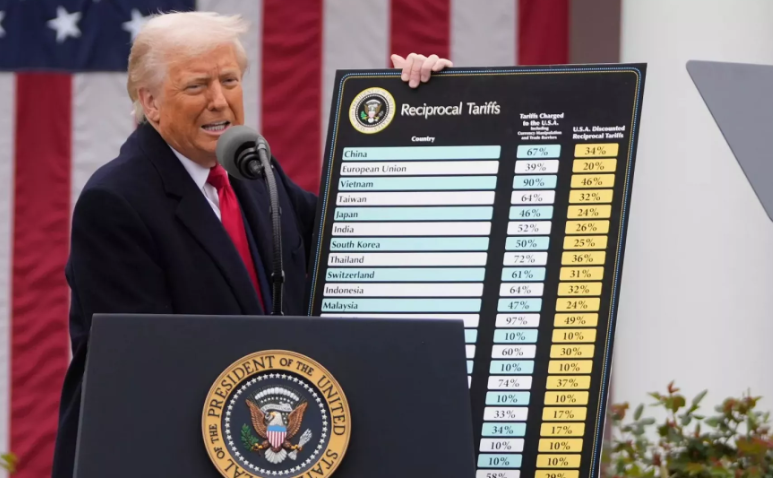

A new round of tariffs is officially taking effect this week, reshaping the global trade landscape and signaling further escalation in economic tensions between major powers. The move, aimed largely at curbing imports in key sectors, is expected to ripple through supply chains, impact consumer prices, and spark retaliation from affected nations.
The latest measures, announced by the U.S. administration last month, target a wide range of goods from electric vehicles and solar panels to steel, semiconductors, and medical equipment primarily originating from China and other trading partners seen as strategic competitors. The tariffs range from 10% to as high as 50%, depending on the product and origin.
What’s Different This Time?
Unlike previous rounds focused mainly on raw materials or broad consumer goods, this latest package zeroes in on advanced technologies and green industries areas central to future economic growth and national security. It reflects a more targeted, industrial-policy-driven approach, part of a broader effort to reduce dependency on foreign manufacturing and bolster domestic production.
“These tariffs are less about short-term revenue and more about long-term competitiveness,” said Jennifer Liu, a trade policy analyst at the Peterson Institute for International Economics. “The administration is drawing lines around industries it believes are vital for economic sovereignty.”
How Will It Affect Consumers and Businesses?
While officials argue the tariffs will help protect American jobs and nurture domestic innovation, critics warn that they could lead to higher prices for consumers and mounting costs for businesses, particularly in manufacturing and construction sectors reliant on foreign inputs.
“For small manufacturers, it’s a double hit,” said Thomas Rivera, who runs a mid-sized electronics firm in Texas. “We face higher costs for components and uncertainty about how to pass those costs along without losing customers.”
Some industries, such as renewable energy, are watching closely as the tariffs could slow down deployment timelines and inflate project costs, despite the push for a clean energy transition.
Global Reactions and Risks
Trading partners, including China and the European Union, have hinted at possible countermeasures, raising concerns about a tit-for-tat escalation that could disrupt already fragile global supply chains. Chinese officials have called the measures “discriminatory and unjust,” while European leaders have expressed alarm over the implications for transatlantic cooperation.
Economists also warn that prolonged tariff battles could contribute to inflationary pressures and dampen global economic growth, especially if the measures trigger broader retaliatory cycles.
What’s Next?
The U.S. administration insists that the tariffs are part of a calibrated strategy not a blanket decoupling but has left the door open for further measures if trade imbalances and technology transfers remain unresolved.
For now, consumers and businesses alike are bracing for the impact, as governments weigh economic nationalism against the realities of an interconnected global economy.
source: irishexaminer.com