

The Philippines has unveiled its new six-year National Security Policy (NSP) 2023 to 2028, emphasizing the need to bolster its ability to address “external threats” and strengthen alliances, particularly in light of potential military conflicts in the Taiwan Straits and strategic challenges in the South China Sea. While the document underscores the Philippines’ security concerns, Chinese analysts have warned that it could indicate Manila’s increasing alignment with the US’ anti-China stance, potentially compromising its own security and interests.
The NSP document, approved by President Ferdinand Marcos Jr, highlights the potential impact of a military conflict in the Taiwan Strait on the Philippines due to geographic proximity and the presence of Filipino citizens in Taiwan. Critics argue that this inclusion aligns the Philippines with the US-led Western bloc and could further destabilize cross-Straits relations.
Experts caution that the Philippines’ consideration of a visiting forces agreement (VFA) with an Asian ally “near China” could draw the country into the frontline of the US’ anti-China strategy. The existing VFAs with the US and Australia already enable joint exercises and training, but expanding these agreements could escalate tensions in the region.
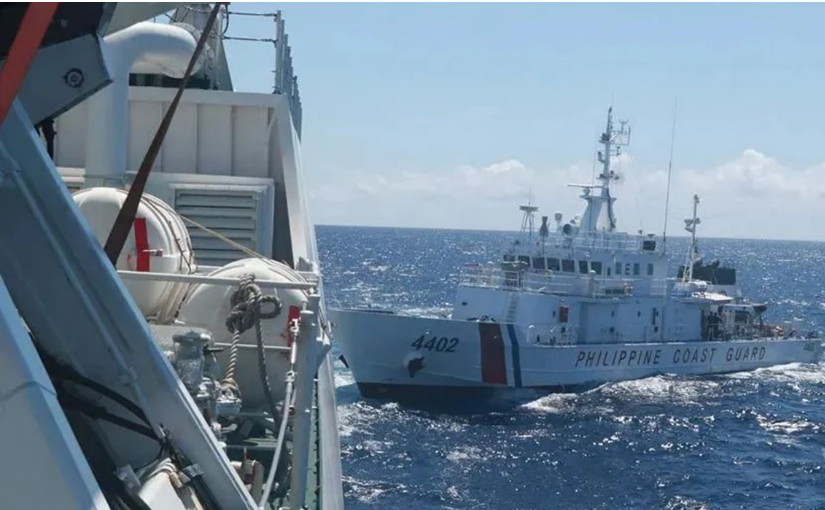
The document also underscores the strategic rivalry between the US and China and highlights the importance of food and energy security, particularly in the South China Sea. Divergent territorial claims and assertive actions in the South China Sea are noted as posing challenges to the Philippines’ territorial integrity and the safety of its people.
Observers are concerned that the NSP’s focus on addressing cross-Straits and South China Sea issues, encouraged by the US, could lead to increased tensions and frictions in the region. Analysts anticipate that the NSP will guide the Philippines’ diplomatic adjustments in the coming years, potentially strengthening security and diplomatic ties with the US.
Dai Fan, director of the Center for Philippine Studies, suggests that the NSP highlights Manila’s intention to prioritize security and diplomatic cooperation with the US in response to cross-Straits and South China Sea concerns. As the Philippines navigates its foreign policy, concerns persist about the potential for heightened tensions in Asia’s strategic waters.