

Proposed identity verification requirements in Hong Kong’s upcoming stablecoin legislation are stirring unease among crypto industry players, who warn that the new rules could stifle innovation and drive firms out of the city’s digital asset ecosystem.
The bill, designed to regulate the issuance and governance of stablecoins, mandates strict Know-Your-Customer (KYC) and Anti-Money Laundering (AML) procedures. Under the draft, stablecoin issuers would be required to collect and verify detailed personal information from all clients including wallet holders and third-party users.
While authorities defend the measure as a necessary step to bolster financial security and international credibility, many in the crypto space argue it could undermine Hong Kong’s ambitions to become a global Web3 hub.
“This level of identity scrutiny for a decentralized asset class is excessive and could deter legitimate users and developers,” said a spokesperson from a regional blockchain advocacy group. Some firms have already signaled they may reconsider their presence in Hong Kong if the rules remain unchanged.
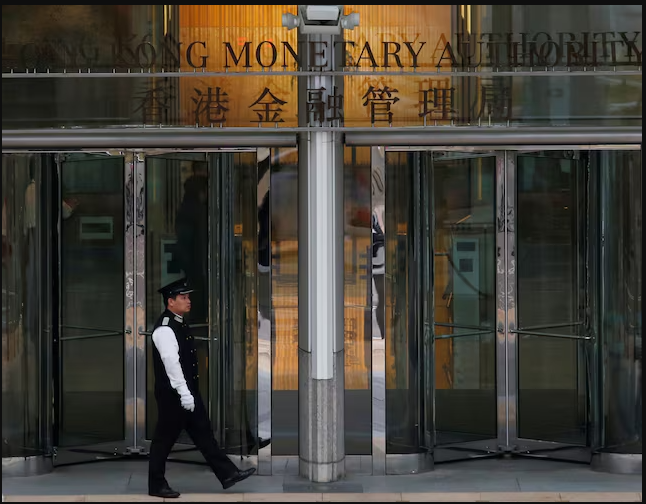
The Hong Kong Monetary Authority (HKMA) insists the proposed framework is in line with global standards, emphasizing its commitment to protecting investors and preventing illicit finance. Public consultations on the bill are ongoing, with industry stakeholders pushing for a more flexible, risk-based approach.
As regulators walk the tightrope between compliance and competitiveness, the final shape of the law may determine whether Hong Kong retains its edge in the rapidly evolving digital finance landscape.