
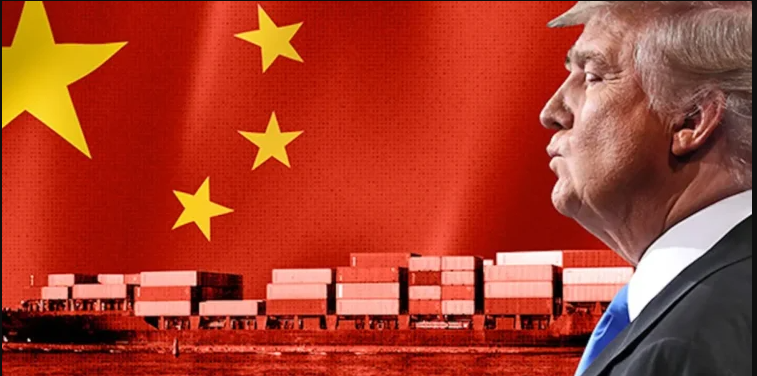

In a move signaling heightened geopolitical tension, China has officially suspended all imports of liquefied natural gas (LNG) from the United States, according to a statement released by the Chinese Ministry of Commerce early Friday. The decision marks a significant shift in the global energy trade landscape and reflects growing economic friction between the world’s two largest economies.
The halt in LNG trade comes amid escalating disputes over technology transfers, military maneuvers in the South China Sea, and recent U.S. sanctions on Chinese semiconductor firms. Though Beijing did not explicitly cite a reason for the suspension, government sources familiar with the matter indicated that the move is a direct response to what China sees as increasing U.S. hostility.
“This suspension is temporary but strategic,” one Chinese trade official told state media on condition of anonymity. “We are reassessing our energy partnerships in light of recent developments.”
The U.S. Department of Energy has yet to issue an official response, though a senior administration official, speaking off the record, said the move would have “short-term market impacts” but would not derail the broader U.S. LNG export strategy.
Analysts warn the decision could ripple through global energy markets, especially in Asia, where China’s demand for cleaner-burning fuels has helped drive LNG growth over the past decade. American LNG exporters, many of whom had inked long-term contracts with Chinese buyers, could now face mounting pressure to redirect shipments.
“This is a clear warning shot,” said Dr. Lena Moreno, an energy policy expert at the Center for Strategic and International Studies. “Energy is now fully entangled in the geopolitical chessboard.”
China is the world’s second-largest importer of LNG, and the U.S. ranks among the top exporters. The trade suspension is expected to impact not only prices but also the dynamics of LNG flows, with countries like Qatar and Australia potentially filling the gap left by U.S. cargoes.
While both sides have left the door open for dialogue, industry insiders believe a quick resolution is unlikely.
“This is more than just a trade issue it’s about leverage and influence,” Moreno added.
Market reaction was swift. U.S. LNG futures dropped 3.5% in early trading, while shares in key American LNG firms such as Cheniere Energy and Tellurian saw notable declines.
As global energy stakeholders brace for potential aftershocks, all eyes remain on Washington and Beijing and whether this marks a temporary setback or the beginning of a longer-term decoupling in the energy sector.
source: icirnigeria.org