
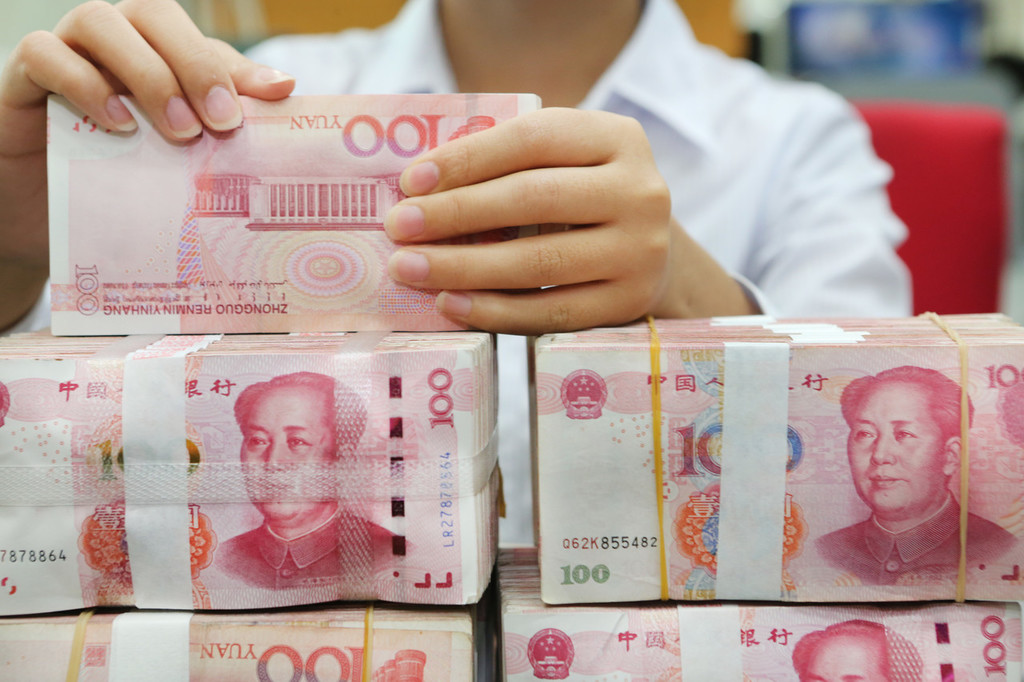

The internationalization of the Chinese yuan (renminbi) is entering a critical phase marked by substantial progress and a favorable global economic environment. This transformation is driven by both long-term strategic goals and immediate market opportunities.
Long-Term Strategic Vision
China’s leadership has emphasized the importance of a strong local currency as a cornerstone of its financial strength. The third plenary session of the 20th Central Committee of the Communist Party highlighted the need for high-standard financial opening-up, laying a robust foundation for the yuan’s gradual rise in global financial markets. This strategic direction is pivotal as the country seeks to elevate its influence in international finance.
Short-Term Catalysts
Recent shifts in global monetary policy present a unique opportunity for the yuan’s internationalization. As the U.S. initiates a rate-cutting cycle and China implements expansive fiscal and monetary measures, the resulting capital inflows into Chinese assets create a conducive environment for the yuan to strengthen its international standing.
Key Drivers of Internationalization
- Financial Market Opening-Up:
Since 2018, China has accelerated the opening of its financial markets, increasing the global significance of its capital markets. Notably, the bond market has seen substantial net cash inflows, marking a shift towards greater renminbi use as both a trade settlement and investment currency. The yuan’s share in global foreign exchange reserves has risen from 1.07% in 2016 to 2.14% in mid-2024, reflecting its growing role in the international monetary system. - Offshore Renminbi Markets:
Offshore markets, particularly in Hong Kong, have become vital for the yuan’s global expansion. Hong Kong, with over 1 trillion yuan in deposits, serves as the largest hub for offshore renminbi activities. Meanwhile, other centers like London and Singapore are enhancing their services, collectively fostering a diversified network that supports the yuan’s international use. - Digital Currency Innovations:
China’s digital currency initiative (e-CNY) represents a significant innovation in the push for renminbi internationalization. The widespread adoption of the digital yuan across various sectors has established a solid groundwork for its cross-border application. Collaborations with offshore centers are facilitating faster, more efficient cross-border transactions, further integrating the yuan into global trade networks.
The Future Outlook
As the global landscape shifts, the renminbi stands poised for greater international prominence. The PBOC’s efforts to enhance cross-border payment systems and strengthen regulatory cooperation with other nations are crucial for the yuan’s acceptance and stability in international markets.
The alignment of strategic policies, the dynamism of offshore markets, and advancements in digital currency are paving the way for a more prominent role for the renminbi in global finance. This trajectory suggests a promising future, characterized by increasing acceptance and utilization of the yuan on the world stage.
In conclusion, the current phase of renminbi internationalization is marked by significant potential, driven by both strategic foresight and responsive adaptation to global economic changes. The path ahead appears bright, with the yuan likely to establish itself as a key player in the international monetary system.