
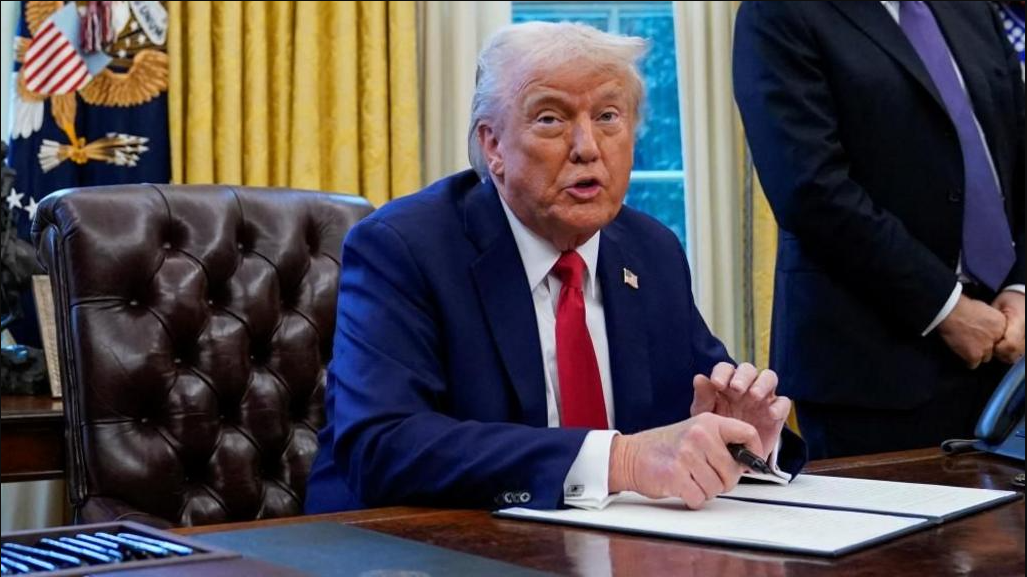

The global trade landscape took a sharp turn this week as former President Donald Trump’s newly reimposed 10% tariff on Chinese goods officially came into effect, reigniting economic tensions between Washington and Beijing. In a swift and pointed response, China announced plans to retaliate with countermeasures targeting U.S. energy exports and select categories of American-made vehicles.
The move marks a fresh chapter in the long-running U.S.-China trade rivalry and has already rattled markets and drawn concern from global industry leaders. Trump, who is mounting a campaign for a return to the White House, framed the tariff as a strategic correction to what he described as “unfair trade practices” and a “massive imbalance” in the U.S.-China economic relationship.
“We are finally standing up to China,” Trump said during a rally in Michigan this week. “This tariff is just the beginning we’re going to bring jobs back and stop being taken advantage of.”
The 10% tariff applies to a broad range of Chinese imports, including consumer electronics, machinery, and certain textiles, affecting billions of dollars in trade. Business groups in the U.S. have warned that the new duties could drive up prices for American consumers and manufacturers alike.
In Beijing, the Ministry of Commerce wasted no time in unveiling a proportional response, announcing plans to impose duties on U.S. liquefied natural gas (LNG), crude oil, and a selection of U.S.-manufactured vehicles, including electric models. Officials said the move was necessary to “safeguard China’s economic interests and respond to unilateral protectionist actions.”
“We do not seek confrontation,” said Ministry spokesperson Lin Jian at a Thursday press briefing. “But we will not sit idly by while our industries are targeted unfairly.”
Analysts warn that the tit-for-tat measures could disrupt key sectors, particularly energy and automotive exports, just as both countries attempt to stabilize their post-pandemic economies. China is one of the largest importers of U.S. LNG, and restrictions could have ripple effects on American energy producers.
The automotive industry is also bracing for impact, with manufacturers like Tesla and Ford closely monitoring the potential fallout. China is the largest overseas market for several U.S. automakers, especially in the growing electric vehicle segment.
“This escalation could hit American companies hard, particularly those that rely on export markets to maintain growth,” said Janet Lopez, a trade policy expert at the Peterson Institute for International Economics. “It’s a politically charged move that could have serious economic consequences.”
The White House has not yet issued a formal response to China’s retaliatory measures. However, President Biden’s administration has previously criticized Trump-era tariffs as economically damaging and is expected to face increased pressure to de-escalate tensions ahead of the November election.
Global markets reacted swiftly to the developments, with stock prices falling across energy and automotive sectors and analysts warning of renewed volatility in international trade.
As the world’s two largest economies move toward another round of trade hostilities, businesses and consumers on both sides of the Pacific may once again find themselves caught in the crossfire.
source: bbc.com