
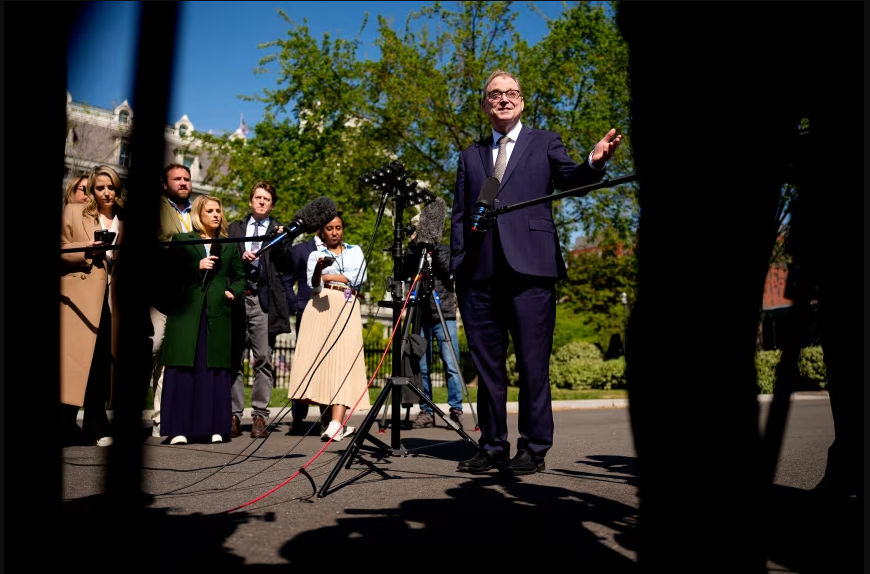

Former White House economic adviser Kevin Hassett has revealed that Donald Trump is seeking to reshape the Bureau of Labor Statistics (BLS) with loyal appointees, following the abrupt dismissal of its commissioner an unprecedented move that has sparked concern among economists and statisticians.
“President Trump wants his own people in there,” Hassett told reporters, referring to the Bureau, which plays a critical role in collecting and analyzing data that underpins key economic indicators, including employment and inflation.
The firing of the BLS commissioner, whose role has historically been insulated from political interference, marks a significant break from tradition. While past presidents have clashed with data releases, few have gone so far as to oust the agency’s leadership.
Critics say the move could jeopardize the integrity of labor market data ahead of the 2026 election cycle. “This is more than just a staffing change it’s a signal,” said Julia Reichlin, a labor economist at Brookings. “When you remove a nonpartisan data steward for not aligning with a political narrative, you’re undermining public trust.”
Trump and his allies have frequently expressed skepticism toward government-released economic figures when they contradict the campaign’s messaging. Hassett’s remarks further underscore that the former president, if re-elected, is likely to favor personnel who align more closely with his economic worldview.
“Data should speak for itself, not be bent to political will,” said a former BLS senior official who spoke anonymously. “Replacing career professionals with loyalists sets a dangerous precedent.”
While the White House has not officially commented on the firing, internal sources suggest that discussions are already underway to find a replacement who will be “responsive” to the administration’s goals.
As the 2026 campaign season begins to intensify, the future of the BLS and the independence of federal economic data may be more politicized than ever before.