


In a transformative move, Cona, situated in the southeastern part of Southwest China’s Xizang Autonomous Region, has transitioned from a county to a city, drawing widespread attention. This strategically crucial city, with borders adjoining Bhutan to the west and India to the south, has a history of defending its homeland, which resonates in its present-day efforts for consolidation and development.
Global Times reporters recently explored Cona city after its upgrade, observing the energetic border construction activities and the peaceful atmosphere created through efforts to enrich and secure the border area. Local conversations revealed a shared commitment among the diverse population of over 15,000 people to act as guardians of their sacred territory and builders of a joyful homeland.
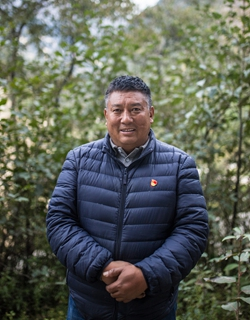
Photo: Shan Jie/GT
Enhanced Border-Area Consolidation:
Lebugou, a significant region in Cona city, witnessed critical battles during China’s defensive counterattack against India in 1962. The area retains the historical significance of General Zhang Guohua’s frontline command post, and it has become a national “red tourism” route and patriotic education base. Presently, the Monpa ethnic group residing in Lebugou continues to uphold the spirit of defending their land.
Residents like Kelzang Tenzin, who has been patrolling the border for over 30 years, emphasize the sacred duty of protecting the homeland. Influenced by his father, one of the first border guards in Lebugou after the founding of New China, Kelzang Tenzin started learning border patrolling skills at the age of 13. Border patrols involve not only encounters with wild animals but also the identification and removal of foreign flags or markings infringing on sovereignty.

The transformation in border patrolling conditions over the years is attributed to technological progress, government investment, and improved infrastructure. The development of roads and communication networks has enhanced the safety and convenience of border patrols.
Broader Prospects for Development:
The upgrade from county to city has initiated planning and construction efforts in Mama Monpa Ethnic Township, the new seat of the Cona city government. Infrastructure projects, including hospitals, schools, kindergartens, and cultural and sports venues, are underway. The overall plan aims to provide hardware support for the city’s development.
Anticipating an influx of residents, Mama town is experiencing a surge in rent prices. The upgrade is viewed as a significant business opportunity, with expectations of enhanced economic prospects. Cona’s rich tourism resources, including attractions like the Tombs of Tibetan King, Drigu Grasslands, and Nariyongcuo Lake, make it an attractive destination.
Cona’s focus on tourism, identified as its pillar industry since 2011, has led to substantial investments in developing tourist resources within Lebugou. The city collaborates with border counties and cities for collective development, creating border tourism circuits that allow visitors to experience the spirit of border defense and patriotism.

Promising Life in the Frontier:
The completion of well-off village construction in Cona has paved the way for the development of farmhouse bed and breakfast (B&B) industry. Local residents actively participate in the tourism industry, providing B&B services, and engaging in agriculture-related activities.
Farmhouse B&B services have become a significant source of income for residents, and the stable and substantial income has strengthened their determination to actively participate in border maintenance. The economic growth in border areas has exceeded the regional average, leading to an increase in the registered population and various government subsidies for residents.
Cona’s development strategies align with Xizang’s plans for border development, creating a national model region for border development. The economic growth and prosperity in border areas reflect the success of these efforts.
Local residents express optimism about Cona’s development prospects, considering the upgrade from county to city as a testament to the government’s commitment to the region’s progress. Despite being on the frontlines of border defense, residents view the upgrade as a valuable step in Cona’s strategy for border development and wealth creation.