
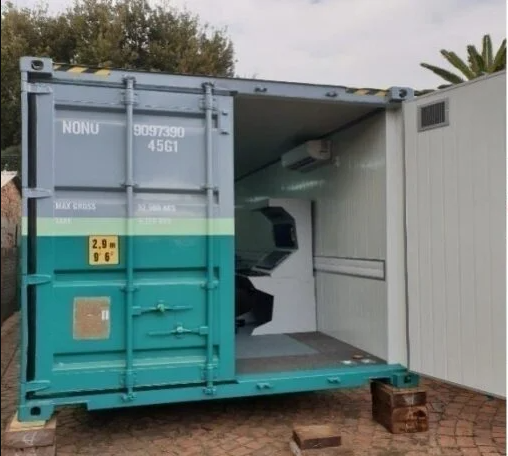

Washington has moved to seize a shipment of South African-made anti-submarine warfare trainers that were reportedly bound for China, escalating tensions over military technology transfers and great-power competition, according to officials familiar with the matter.
The equipment, described by sources as advanced naval training systems designed to simulate submarine detection and tracking, was intercepted while in transit through a third country. US authorities argue the trainers fall under export control regimes or sanctions frameworks that restrict the transfer of sensitive military technology to China.
Neither the US Department of Defense nor the State Department has publicly detailed the legal basis for the seizure. However, officials speaking on condition of anonymity said the move reflects growing concern in Washington over Beijing’s rapid naval modernization and its efforts to acquire foreign technology to enhance undersea warfare capabilities.
South Africa’s government has not confirmed the seizure but indicated it is seeking clarification through diplomatic channels. A spokesperson for Pretoria’s Department of International Relations and Cooperation said South Africa “conducts defense exports in line with national laws and international obligations,” adding that the country expects its trade to be treated in accordance with international law.
China has condemned the action, calling it an “unwarranted interference” in legitimate commercial cooperation. In a brief statement, the Chinese foreign ministry accused the United States of abusing its power to hinder military and technological exchanges between other countries.
Defense analysts say the incident highlights the increasingly contested nature of global arms transfers. Anti-submarine warfare capabilities are considered strategically sensitive, particularly as competition intensifies in the Indo-Pacific, where the US and its allies are focused on countering China’s expanding submarine fleet.
“This is less about South Africa and more about the US sending a signal,” said one naval security expert. “Washington is making clear it will use legal and political tools to slow China’s access to technologies that could shift the maritime balance.”
The seizure could strain US relations with South Africa, which has sought to maintain a non-aligned stance while expanding ties with China and Russia. It also raises broader questions about the reach of US export controls and the risks faced by defense manufacturers operating in an increasingly polarized global market.
For now, the fate of the seized trainers remains unclear, with diplomatic negotiations expected to continue behind closed doors.
source: aerotime.aero