
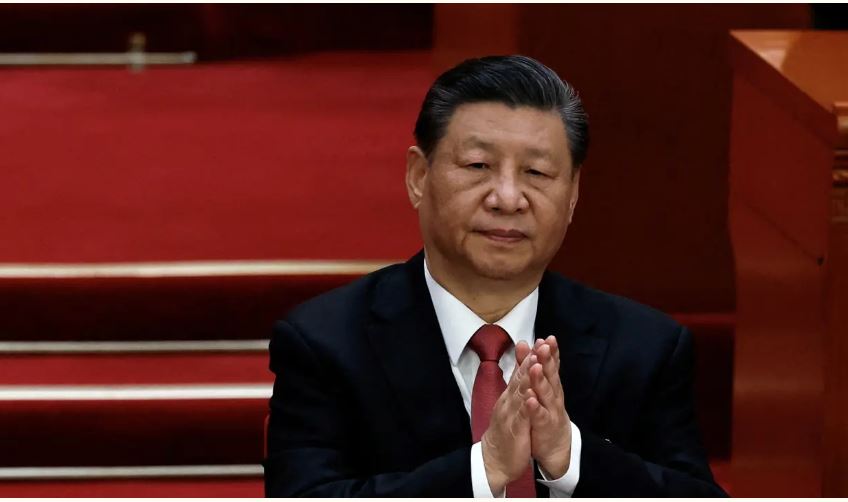

Beijing, China – The Chinese Communist Party has commenced its pivotal third plenum this week, a significant conclave held approximately every five years to chart the course for the nation’s long-term social and economic strategies. The Central Committee, led by General Secretary Xi Jinping, has convened for the third such session since its election during the party’s last congress in 2022. The plenum, which began on Monday and will conclude on Thursday, aims to establish China’s policy trajectory for the coming years.
What Are Plenums?
China’s political structure includes a major congress held twice a decade, during which members of the Central Committee—the party’s top decision-making body—are elected. The current Central Committee, chosen in October 2022, will be in office until the next congress. In the interim, the Central Committee holds a series of plenums. There are seven plenums in total, with the first, second, and seventh focusing on leadership transitions, while the fourth and sixth address party ideology. The third plenum is particularly significant for its emphasis on long-term economic reforms.
Why Are Third Plenums Important?
The third plenum is historically crucial for setting the stage for major policy shifts. The December 1978 plenum under Deng Xiaoping marked the beginning of China’s economic reforms, transforming it from a centrally planned economy into a global economic powerhouse. The November 2013 plenum introduced reforms to enhance the role of markets in resource allocation. More recently, the February 2018 plenum resulted in the removal of presidential term limits, enabling Xi Jinping to extend his tenure indefinitely.
The current third plenum is expected to address China’s current economic and social challenges. With the country grappling with its slowest growth rate since early 2023, exacerbated by a struggling property sector and subdued consumer demand, the plenum is anticipated to propose substantial initiatives to navigate these issues.
What Will This Third Plenum Focus On?
As China approaches a critical juncture in its development, the third plenum will likely focus on several key areas:
- Economic Transformation: The plenum will outline strategies to advance China’s economic modernization, including promoting advanced manufacturing and revising the tax system to manage debt risks.
- Property Crisis and Domestic Consumption: Efforts to address the ongoing property crisis and stimulate domestic consumption will be central to the discussions.
- Private Sector Revitalization: Policy advisers anticipate moves to rejuvenate China’s private sector, which has faced challenges in recent years.
- Military Modernization: The plenum is expected to emphasize the goal of achieving significant modernization of China’s military by 2035.
- Global Integration: Navigating complexities in the global landscape and reducing disparities in development between urban and rural areas will be key topics.
In summary, the third plenum is poised to deliver crucial directives aimed at bolstering China’s economic resilience and social stability. With the outcomes of this meeting set to shape the country’s policy for the next five years and beyond, both domestic and international observers are closely watching for announcements on China’s future trajectory.