

Washington’s approach to China under President Donald Trump’s second term is drawing growing scrutiny, as shifting trade decisions and mixed signals from key agencies fuel concerns that U.S. policy toward Beijing is becoming increasingly unstable.
More than a year into his return to office in 2025, Trump’s promise to use aggressive tariffs to reset economic ties with China has yet to produce a decisive shift in Beijing’s trade or military posture. Instead, analysts say Washington’s strategy now appears fragmented, with competing decisions emerging from different parts of the administration.
Recent months have seen a series of reversals and conflicting actions, including the temporary addition of major Chinese firms to a U.S. military blacklist—only for the list to be withdrawn shortly after—and approval of advanced semiconductor-related exports to China shortly after national security concerns were raised within government agencies.
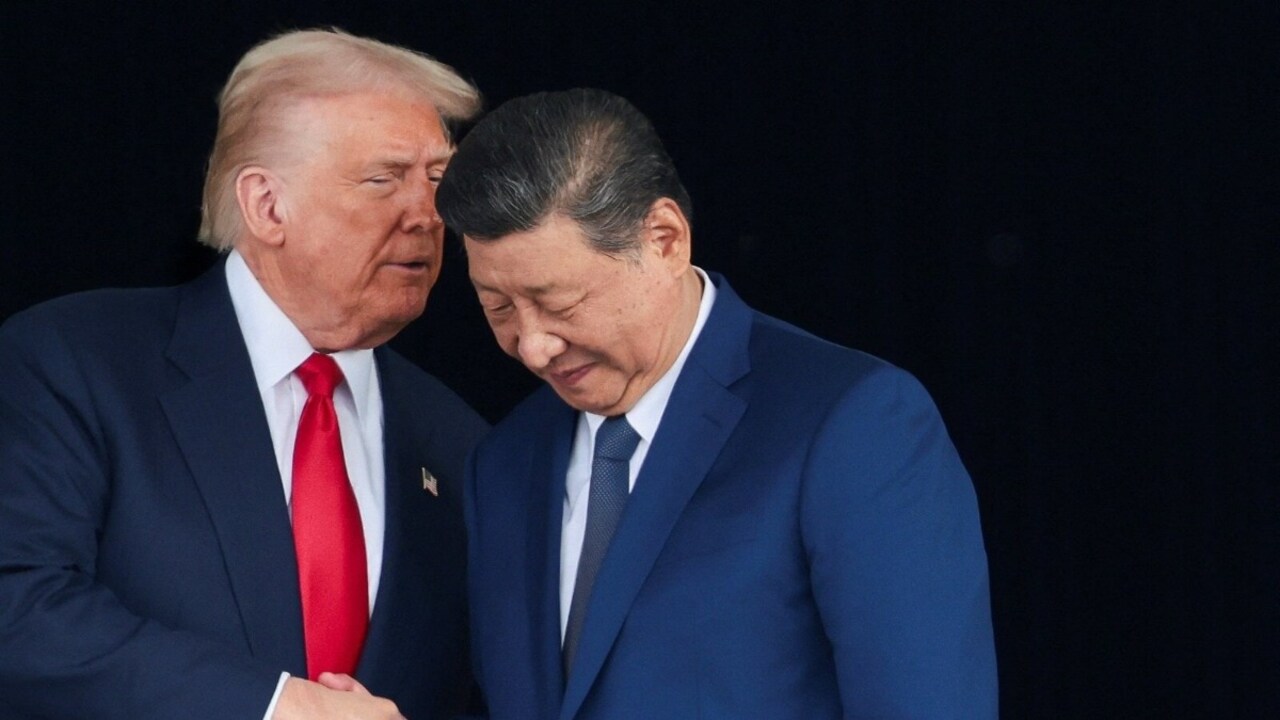
As Trump prepares for a planned meeting with Chinese President Xi Jinping during his May 14–15 visit to China, critics argue the lack of consistency is weakening Washington’s leverage in its strategic competition with Beijing.
Former U.S. defense official Ely Ratner described the policy environment as disjointed, saying agencies often act independently with competing objectives, resulting in unpredictable shifts in direction.
A White House spokesperson defended the administration’s stance, arguing that Trump’s trade strategy has strengthened America’s negotiating position by leveraging its economic influence and personal diplomacy with Chinese leadership.
The policy began with steep tariff increases on Chinese imports, reportedly reaching as high as 145% at the start of the term. However, Beijing responded with countermeasures, and the standoff eventually eased into a fragile balance after China leveraged its dominance in rare earth processing to pressure global supply chains.
Further complicating matters, a Supreme Court ruling in early 2026 limited parts of the tariff framework, weakening the administration’s original economic pressure strategy.
Experts note that while tariffs have contributed to a reduction in the U.S. goods trade deficit with China, they have not significantly altered China’s broader economic policies or restored manufacturing jobs at the scale initially promised.
Some officials have since shifted toward what they describe as “managed trade,” focusing on stabilizing relations and narrowing disputes to sensitive sectors rather than pursuing sweeping economic decoupling.
However, policy inconsistency has also extended beyond trade. In one instance, conflicting statements emerged within the administration over the approval of advanced AI semiconductor exports to China, raising confusion among agencies responsible for national security enforcement. In another, a proposed blacklist targeting Chinese technology companies linked to the military was withdrawn shortly after release without explanation.
Despite these contradictions, Trump has taken steps that some analysts say have strategically challenged Beijing, including expanded arms support for Taiwan and pressure on Chinese-linked port operations in key global shipping routes.
Still, observers warn that these actions are offset by broader uncertainty in U.S. foreign policy, particularly as tensions with traditional allies add further strain to coordinated global responses to China’s rise.
Chinese officials have portrayed the U.S. approach as inconsistent and fragmented, insisting that Beijing will continue pursuing long-term strategic goals regardless of short-term political shifts in Washington.
As both nations prepare for high-level diplomatic engagement in the coming weeks, analysts say the durability of U.S. China policy may depend on whether the administration can establish a more unified and predictable strategic direction.